












Set in a tribal corner of Maharashtra’s Nashik district, a village has quietly prepared itself to become India’s one of the most precious natural wonders. The darkness of its night sky has turned into a new tourism opportunity. We are talking about Udhamal village in Surgana taluka. The Maharashtrian village is being developed as a ‘Dark Sky Community’, with the aim of protecting its naturally dark skies. The Nashik district administration officially lists Udamal among the villages of Surgana’s Umbarthan revenue circle.The initiative is significant as dark skies these days are becoming difficult to find as towns and cities. In Udhamal, relatively low levels of light pollution allow visitors to experience a night sky far removed from the glow commonly seen in urban areas. On clear nights, the Milky Way and numerous stars can become visible to the naked eye, creating the potential for stargazing and astronomy-based experiences.Understanding a Dark Sky CommunityThe Dark Sky Community is a term that has a specific meaning in the international dark-sky movement. DarkSky International describes an International Dark Sky Community as a legally organised community demonstrating an exceptional commitment to protect the night sky, education and public participation. Unlike a Dark Sky Park or Reserve, a Community designation focuses strongly on how residents, authorities and businesses manage artificial lighting.DarkSky International says communities pursuing recognition are expected to adopt lighting policies, provide opportunities for residents and visitors to learn about the night sky, retrofit publicly owned lighting and encourage private households and businesses to adopt night-sky-friendly lighting practices.Udhamal, the next astro-tourism destinationNashik is already one of Maharashtra’s best-known tourism destinations, but much of its tourism economy is concentrated around vineyards, temples, heritage attractions and natural landscapes. A dark-sky initiative could introduce a very different kind of experience in the district’s tribal belt.
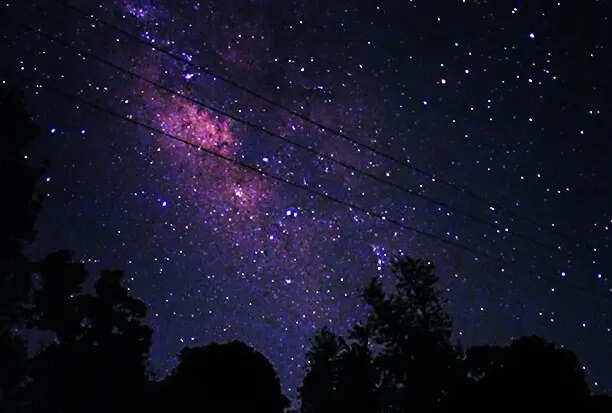
Udhamal’s location is perfect to build a tourism model around nature rather than large-scale construction. Visitors could potentially come for guided stargazing, astronomy sessions, night-sky photography, constellation identification and educational programmes.How to reach Udhamal
- By Road: From Nashik, travellers can drive towards Surgana and then continue towards the village. Surgana is connected by road with Nashik as well as the Saputara side of Gujarat.
- By Train: There is no railway station in the village. Nashik Road railway station is the most major railhead for travellers arriving by train. From Nashik Road, Surgana is about 90-100 km.
- By Air: For air travellers, Nashik Airport at Ozar is the closest airport serving the Nashik region. Mumbai’s Chhatrapati Shivaji Maharaj International Airport is a better alternative for travellers.
Best time to visit Udhamal for stargazingFor a stargazer, October to April is likely to be more suitable than the monsoon months.
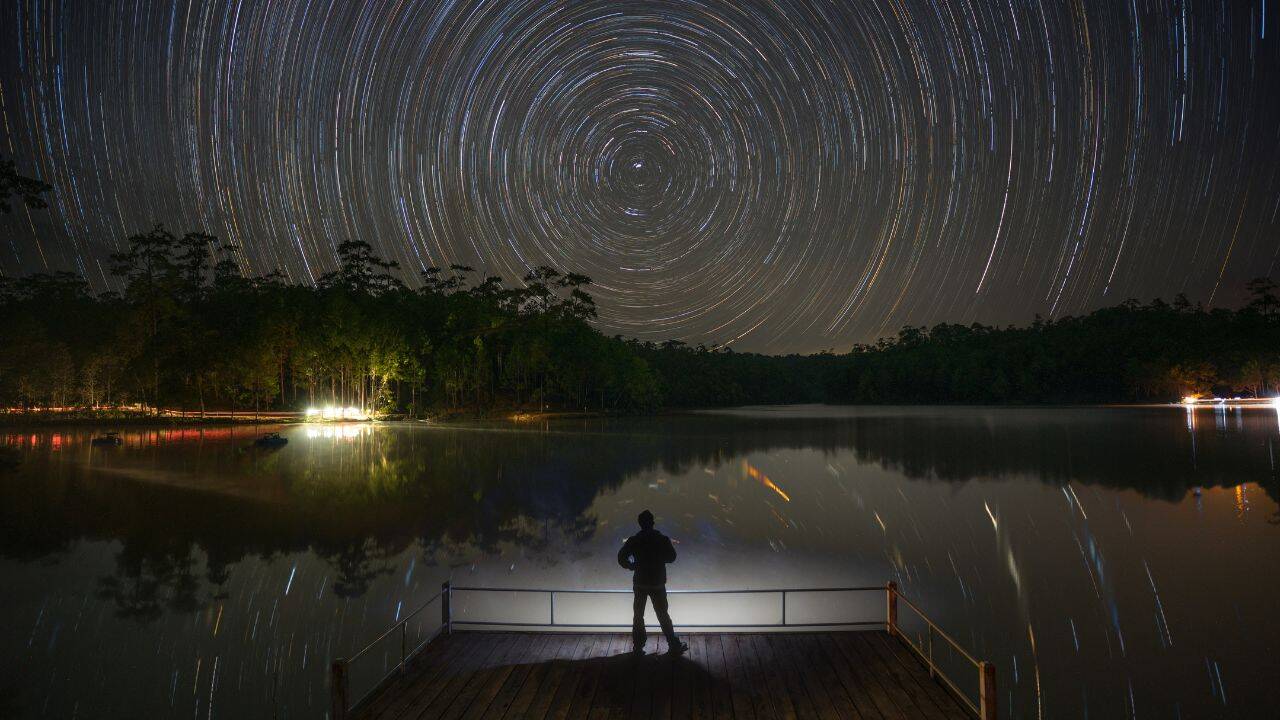
Night sky milky way (Canva)
The wider Surgana region experiences a strong monsoon, with July and August typically being rainy and cloudy making night-sky observation unpredictable.November to February is particularly attractive for travellers because the weather is cooler and more comfortable for spending several hours outdoors at night.The winter months are also generally considered favourable for exploring the wider Surgana region.The attraction is the landscape itself—and, after sunset, the night sky full of starts and milky way.