







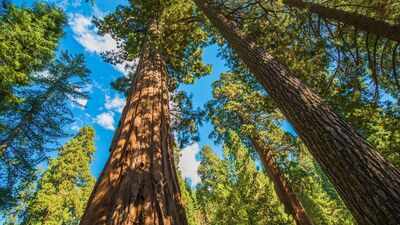
California’s giant sequoias have stood tall for thousands of years, surviving droughts, storms and countless natural fires. Yet, in just two wildfire seasons, these ancient giants suffered unprecedented losses. Between 2020 and 2021, record-breaking wildfires are estimated to have killed nearly 17% of the world’s mature giant sequoias, roughly one in every five trees. Now, a NASA-funded study published in the journal Nature Communications offers encouraging evidence that a long-used forest management practice, known as prescribed or controlled burning, can dramatically improve their chances of survival during extreme wildfires.
Why giant sequoias are suddenly at risk
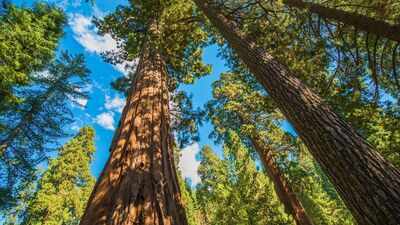
Giant sequoias (Sequoiadendron giganteum) are among the largest and oldest living organisms on Earth. They have evolved to withstand frequent, low-intensity fires thanks to their thick, fire-resistant bark, towering canopies and elevated branches. In fact, fire plays a crucial role in their life cycle by opening cones, releasing seeds and clearing away competing vegetation creating ideal conditions for new seedlings to grow.The problem, scientists say, is not the fire itself but the changing nature of modern wildfires. More than a century of fire suppression has allowed dead wood, fallen branches and dense undergrowth to accumulate across California’s forests. Combined with hotter, drier conditions driven by climate change, these fuel-heavy forests now produce unusually intense wildfires capable of overwhelming even giant sequoias’ natural defences. The devastating Castle Fire in 2020, followed by the KNP Complex and Windy fires in 2021, caused the largest known loss of mature sequoias in recorded history.
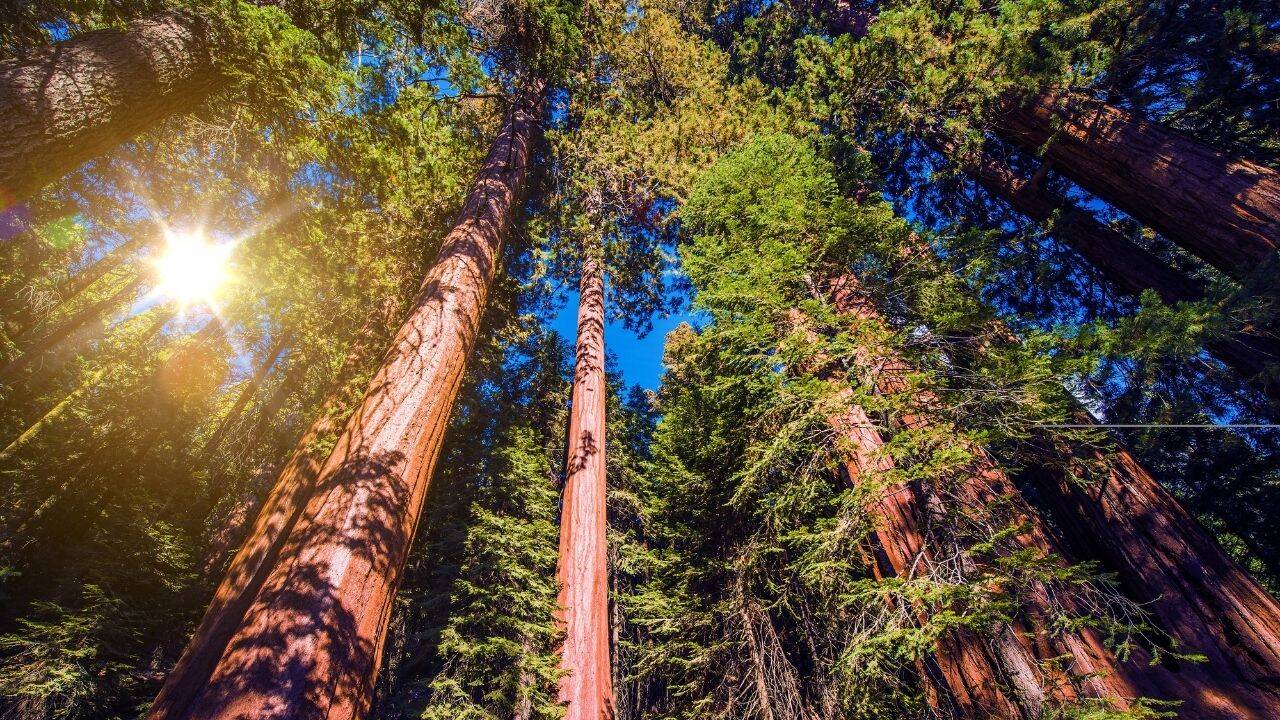
Giant sequoias forest (Image Credit: Canva)
Controlled burns made a remarkable difference
To understand whether forest management could reduce these losses, researchers analysed the impact of the 2020 and 2021 wildfires across numerous giant sequoia groves. They compared forests that had been treated with prescribed burns before the wildfires with those that had not.The findings were quite compelling. Mature giant sequoias in forests treated with prescribed burns were about four times less likely to die during severe wildfires than those in untreated forests. By burning dead leaf litter, fallen trees and other dense forest vegetation under carefully controlled conditions, land managers minimised the amount of combustible material in the forest, which would otherwise fuel fires in the future. This made it possible for major fires that hit these forests to burn with lower intensity.The study also found that, besides reducing tree mortality, prescribed burning helped maintain the forest conditions in which giant sequoias have thrived for centuries. It is low-intensity fires that clean the forest floor, return nutrients to the soil, and create gaps where new trees can grow.
A proven tool for future forest management
The findings reinforce a growing scientific consensus that controlled burning is one of the most effective ways to protect fire-adapted forests from increasingly destructive megafires. Unlike emergency firefighting during active wildfires, prescribed burns are planned months in advance and carried out under carefully monitored conditions, allowing fire managers to reduce hazardous fuel without threatening nearby communities.According to the researchers, expanding prescribed burning programmes could significantly improve the resilience of California’s remaining giant sequoia groves. However, implementing such programmes on a larger scale will require sustained funding, trained personnel, favourable weather windows and continued collaboration among land managers, scientists and local communities.The study also indicates that protecting giant sequoias is about more than saving individual trees. The forest contains rich fauna, stores great amounts of carbon and is an ecosystem that has been preserved for thousands of years. The loss of mature giant sequoias not only reduces biodiversity but also threatens one of the world’s most remarkable natural wonders.As wildfires become larger and more intense across the western United States, the findings suggest that expanding prescribed burning programmes and restoring natural fire regimes could play a crucial role in preserving giant sequoias.