










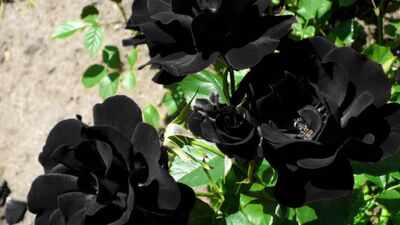
Hidden among the rolling hills of Halfeti in southeastern Turkey, a flower blooms that has puzzled botanists and enchanted travellers for more than a century. Locally known as the Karagül, or the Halfeti black rose, it appears almost jet-black as a bud before gradually transforming into a deep velvety crimson as it opens. Its extraordinary colour has inspired myths, attracted tourists and made the flower one of Turkey’s best-known botanical treasures.What makes it even more remarkable is that this dramatic appearance is not created through genetic modification. Instead, it is the result of the unique combination of soil, climate and environmental conditions found along the banks of the Euphrates River. As scientists continue to study the flower and conservationists work to protect it, the Halfeti black rose remains one of nature’s rarest spectacles.
What makes Turkey’s black roses so special
The Halfeti black rose is more than just an unusual flower. It has become the symbol of Halfeti and is recognised around the world for its extraordinary colour. Historical records suggest the variety was commercialised in Europe as early as 1859 by French rose breeder Guillot under the name ‘Louis XIV’. Today, the rose is protected with a geographical indication (GI) tag, preserving its connection to the district where it naturally grows.What makes the flower truly remarkable is its transformation. In spring, the buds emerge in such a deep shade that they appear almost black. As the petals gradually open, the colour softens into a dark velvety red while releasing a light fragrance that fades as the flower reaches full bloom. This short-lived transformation has made the Halfeti rose one of the world’s most sought-after ornamental flowers.
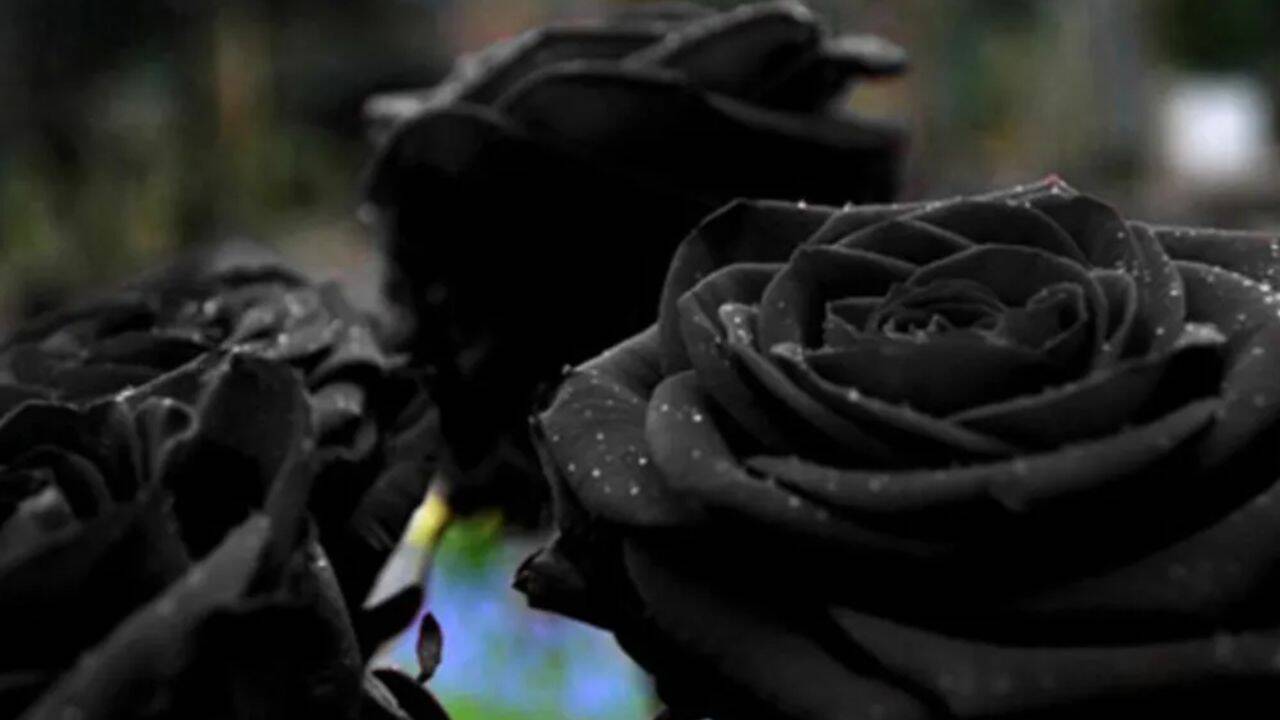
Image Credit: https://www.snopes.com/fact-check/black-rose-village-turkey/
How does the black rose change as it grows
The flower follows a fascinating journey from bud to bloom. It begins as a tightly closed bud hidden beneath green sepals. As these protective leaves slowly separate, the dark petals emerge, creating the rose’s signature near-black appearance.Over the following days, the petals continue to unfold until the flower forms an elegant cup shape, revealing pale yellow pollen-bearing structures at its centre. During this process, the flower grows from a bud measuring around 18 millimetres to a bloom more than 55 millimetres across. Researchers have also found that each flower contains about 28 petals and 70 anthers, while the moisture inside the petals gradually decreases as the bloom matures.
Why does the flower look black instead of red
Despite its name, the Halfeti rose is not truly black. Its dramatic colour is created by exceptionally high concentrations of anthocyanins, natural pigments also found in blueberries and blackberries. These pigments are so densely packed during the early stages of flowering that the petals absorb much of the light, making them appear almost black.Scientists have also discovered that the acidity of the flower’s cell sap influences how these pigments reflect light. As the bloom matures, small chemical changes shift the colour towards deep crimson. Temperature also plays an important role. Cooler weather encourages darker shades, while warmer summer conditions produce richer red tones. Together, the local climate, soil chemistry and plant biology create a colour that is incredibly difficult to reproduce elsewhere.
Can these black roses grow outside their home district
The Halfeti black rose once seemed inseparable from its native district. However, after construction of the Birecik Dam much of old Halfeti was left underwater and threatened the flower’s natural habitat. The researchers then began growing the plant in carefully controlled greenhouses.By regulating temperature, humidity and light, scientists have managed to preserve the variety, although reproducing the same near-black colour remains a challenge. The rose’s rarity has also created strong international demand, with collectors and florists around the world eager to grow or display this remarkable flower.
How are scientists protecting the future of the ‘Louis XIV’ black rose
Researchers are now focused not only on preserving the Halfeti rose but also on ensuring its future. Supported by Turkey’s General Directorate of Agricultural Research and Policies, scientists are conserving existing plants while crossbreeding them with other dark-red roses to develop new varieties capable of retaining their near-black colour for longer periods.Beyond conservation, researchers believe the flower has enormous commercial potential in luxury floristry, perfumes and horticulture. More than 160 years after it first gained international recognition as ‘Louis XIV’, the Halfeti black rose remains one of Turkey’s most extraordinary natural wonders, proving that sometimes the rarest creations of nature bloom in just one corner of the world.