










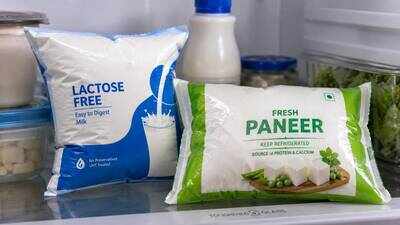
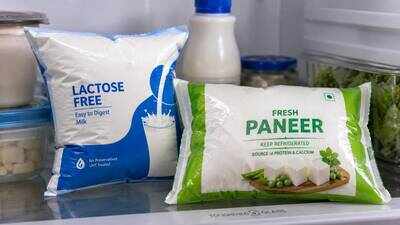
You pick up a packet of milk or paneer from the refrigerator and notice something odd: the normally flat pack looks inflated, tight or balloon-like. The expiry date is still days away, so is it actually safe to eat? The short answer: a visibly swollen or puffed packet is a warning sign and is best not consumed. Food-safety guidance from India’s Eat Right India specifically advises consumers not to buy packaged foods when the packaging is puffed, while guidance on paneer recommends avoiding products with damaged packaging, bad odour or other signs of spoilage. Scroll down to read more.
Why does a dairy packet swell?
With fresh dairy products such as paneer, one possible explanation is microbial activity. Certain microorganisms can grow when a product is exposed to unsuitable temperatures and may produce gases that become trapped inside a sealed package. That can make the packet expand. Paneer is particularly vulnerable because it is a high-moisture, relatively perishable dairy product. A break in the cold chain, during transportation, at a shop or even during storage can accelerate microbial growth. That does not, however, mean that every swollen packet proves contamination or that the manufacturer necessarily made a faulty product. Packaging defects and changes in storage conditions can also play a role.
Amul’s recent lactose-free milk example
A recent Instagram video involving Amul lactose-free milk illustrates why appearance alone can sometimes be misleading.Content creator Trishang Shetty, who is lactose intolerant, noticed that some newly delivered Amul lactose-free milk packs looked different from the ones he had previously purchased. He pointed to a different cap, a slightly different-looking blue colour and packs that appeared “a little” puffy. He also questioned differences in expiry and batch details and wondered whether the products were genuine.Amul subsequently contacted him and explained that the company was transitioning from Tetra packaging to SIG packaging, with both formats being produced during the transition. According to the explanation shared by Shetty, the SIG pack is designed to take the shape of the entire package, which can make it look puffier than the older Tetra version. The difference in appearance was also attributed to SIG’s less glossy packaging, even though the Pantone colour remains the same.Shetty later shared the clarification and said he was relieved that the milk was genuine. The episode is a useful reminder that a different-looking pack does not automatically mean a counterfeit product.
But what about the puffed paneer packets?
A separate incident involving Milky Mist paneer raised a more conventional food-safety concern.The issue came into the spotlight when on March 3, the user, @drsunita02, shared images and details of her experience and prompting questions about product safety and possible spoilage of two Milky Mist paneer packets that had reportedly puffed up despite having days remaining before their expiry dates. She said one packet had about two weeks left and another around 10 days, and that she had refrigerated them shortly after purchase.
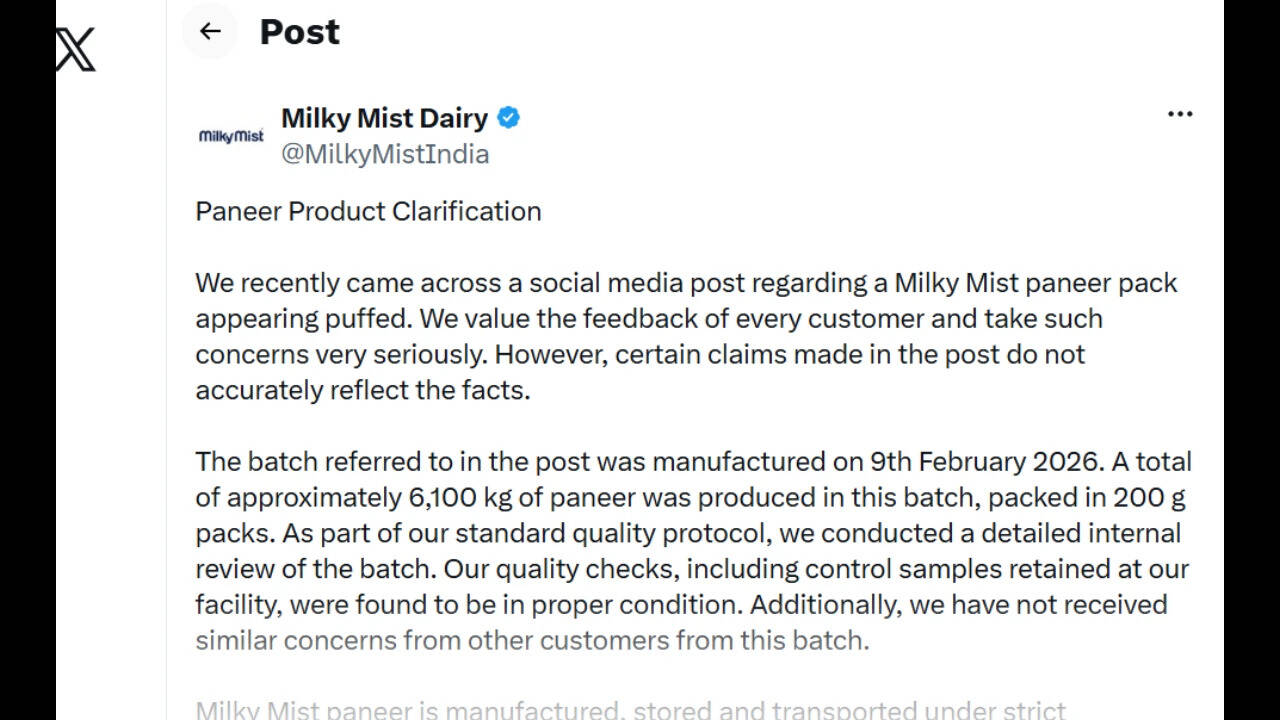
That distinction matters. An unopened product can still develop a problem before its printed expiry date if storage conditions have not been maintained. The expiry date is not a guarantee that every individual packet will remain in perfect condition regardless of what happens to it during transportation or storage.
What should you do with a puffed packet?
If a sealed milk or paneer packet is unusually swollen, don’t open it simply to smell or taste the contents. Don’t assume that cooking the product will make it safe either.Instead:
- Do not consume it if the packaging is visibly puffed, leaking, damaged or otherwise abnormal.
- Check the use-by/expiry date, batch number and storage instructions.
- Take a photograph of the packet and retain the packaging if you want to make a complaint.
- Return it to the retailer or contact the manufacturer with the batch details.
- If the product has an unusual smell, colour, texture or appearance after opening, discard it.
- For paneer, official food-safety guidance also flags sliminess, yellowish discolouration and an unpleasant odour as reasons not to consume it.
A puffy packet isn’t something to shrug off just because the date printed on it hasn’t passed. Swelling can be a sign that something has gone wrong with the product or its storage, although it cannot by itself establish exactly what caused the problem. When it comes to fresh dairy, the safest approach is simple: if the sealed packet looks unusually inflated, don’t take the risk.