









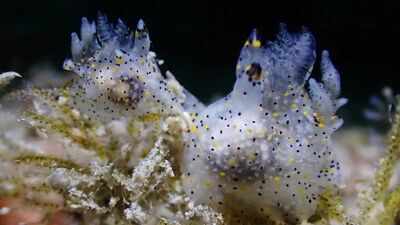
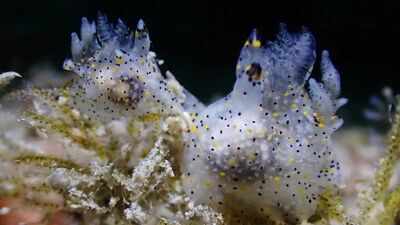
An accidental encounter by a student during a recreational dive has led to the formal description of a ‘tiny new sea slug’ from the waters of north-eastern Taiwan. ‘Ho-Yeung Chan’ first noticed the animal while diving and later helped establish that it belonged to a species previously unknown to science. Named ‘Thecacera sesama,’ this sea slug is less than 3mm long, making it smaller than a grain of rice. Its translucent white body is covered with tiny black spots, larger yellow markings and distinctive white patches. The discovery was confirmed through detailed research that examined both the slug’s physical features and its genetic material. Published in ‘ZooKeys,’ the study shows how even a tiny creature can reveal overlooked marine diversity. It also demonstrates that careful observation, curiosity and scientific follow-up can turn an accidental sighting into a recognised discovery.
How did Ho-Yeung Chan accidentally discover this tiny new sea slug
The discovery began during diving activities in the waters of north-eastern Taiwan. Ho-Yeung Chan collected several specimens of this remarkably small sea slug over a number of years, with the study recording specimens collected between 2021-25. According to the study, the animals were found on bryozoans growing on reefs at depths ranging from 19-30 metres. Bryozoans are colonies of tiny aquatic animals that can form structures resembling plants or coral, providing a habitat for various marine creatures. What initially appeared to be an unusual tiny slug eventually became the subject of detailed scientific investigation.The discovery highlights an important reality of marine research that ‘not every new species is found during a major scientific expedition.’ Sometimes, an unexpected encounter can become scientifically important when someone looks closely enough. The study formally described the animal as Thecacera sesama, placing it within a group of colourful sea slugs known as ‘nudibranchs.’ Its discovery added another piece to the incomplete picture of Taiwan’s marine biodiversity.
A tiny sea slug with a distinctive appearance
Despite its extremely small size, Thecacera sesama has a striking appearance. The study describes its body as translucent white, allowing some of its internal structures to be faintly visible. Across that pale body are numerous small, round black spots, along with fewer and larger yellow spots. The animal also has white markings that resemble tiny snowflakes scattered across its body. These details helped researchers distinguish the species from other members of the Thecacera genus. The measured specimens ranged from 0.9 to 2.95 millimetres in length. Even the largest specimens remained under three millimetres.That size makes the discovery particularly remarkable because an animal so small can easily be overlooked in a complex underwater environment. The researchers also recorded 5 gills and several other physical features that helped define the new species. Although its spotted appearance resembles that of another species, ‘Thecacera pennigera,’ its much smaller size and combination of markings set it apart. Its name also reflects its appearance. The specific name sesama refers to ‘sesame seeds,’ a reference to the small, rounded spots scattered across the slug’s body.
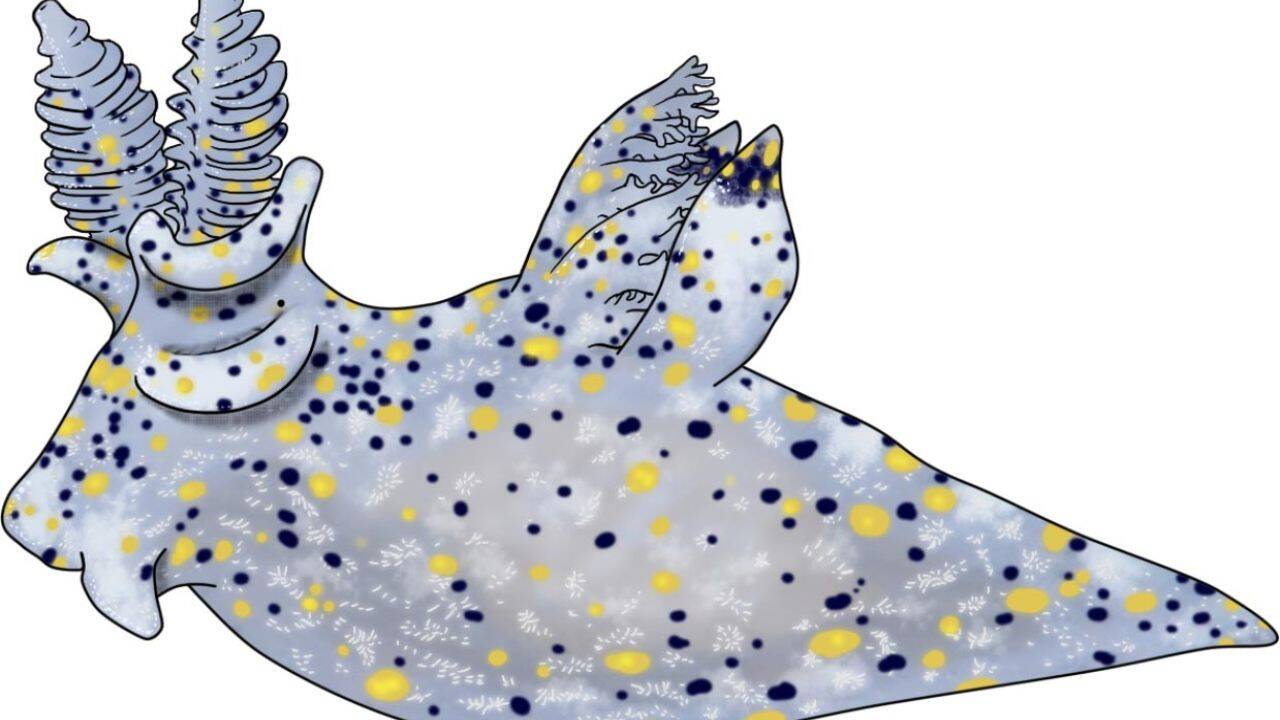
Details of appearance, hand-drawn on a tablet by Chen-Lu Lee. Image Credit: Chen-Lu Lee
What proved that the animal was a new species
Finding an unusual-looking animal is not enough to confirm that it represents a new species. Scientists must compare it carefully with known species, and the researchers behind the study used both physical observations and genetic evidence to do this. The team examined the sea slug’s external features and also studied two sections of its mitochondrial DNA. Because the animals were so tiny, measuring only a few millimetres, the researchers had to use whole specimens for some of the genetic work. Therefore they limited this process to ‘3 specimens’ so that others could be preserved for long-term scientific collections. The genetic results supported the idea that ‘Thecacera sesama’ was distinct from its known relatives. The study found that its closest genetic match was ‘Thecacera picta,’ but combined with its unusual size and appearance, the evidence gave researchers confidence that they were dealing with a species new to science.
The discovery highlights Taiwan’s overlooked marine life
The study notes that the discovery of Thecacera sesama points to the rich but still under-documented marine biodiversity around Taiwan. The waters may contain many small creatures that have yet to be formally studied or described. This tiny sea slug is a good example of why size does not determine scientific importance. At less than three millimetres long, it could easily escape attention. Yet careful observation, repeated collection and scientific analysis transformed an accidental encounter into a documented discovery. The research also shows the value of combining traditional methods with modern genetic tools. Physical features revealed what made the sea slug look different, while DNA analysis helped confirm that those differences represented a separate species.For Ho-Yeung Chan, what began with the sighting of a tiny animal during diving eventually resulted in a scientific paper. The story of Thecacera sesama is a reminder that the natural world still contains discoveries in unexpected places. Sometimes, finding something new does not require travelling to an unexplored corner of the planet. It can begin with noticing a creature that almost everyone else might have missed.