








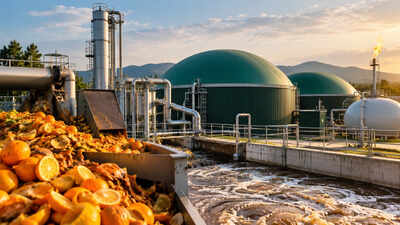
A major orange juice processing project in Brazil is taking an unusual approach to one of the industry’s biggest waste streams: turning citrus wastewater into renewable energy. Louis Dreyfus Company (LDC) is building what it describes as the world’s largest plant dedicated to producing biogas from citrus effluent at its industrial facility in Bebedouro, São Paulo state. The project covers about 195,000 square metres of built-up area and is designed to process approximately 400 cubic metres of citrus effluent every hour. From that wastewater, the facility is expected to generate more than 50,000 normal cubic metres of biogas each day, equivalent to more than 1.77 million cubic feet. The renewable gas will be used to supply the company’s industrial operations, replacing fossil fuels and helping cut carbon dioxide emissions. The construction was expected to be completed by mid-2026, says the company.
Brazil’s unusual way where orange juice wastewater becomes renewable energy
The project is based on biotechnology designed to break down the organic material present in citrus effluent. LDC developed the process using a specialised inoculum capable of decomposing the wastewater’s organic load while producing biogas as a by-product. Rather than treating the effluent simply as industrial waste, the system turns its organic content into a source of usable energy. The technology was developed through a pilot project involving specialists from Latin America. Researchers tested different inoculums and monitored how effectively each could break down the citrus effluent and generate biogas. The trials reportedly exceeded the project’s target by as much as 15%, helping the company move towards a full-scale facility. The resulting biogas will be used as a green-energy source for LDC’s Bebedouro industrial plant. According to the company, replacing fossil fuels with the biogas produced from citrus effluent is expected to reduce carbon dioxide emissions from the facility by more than 20%.
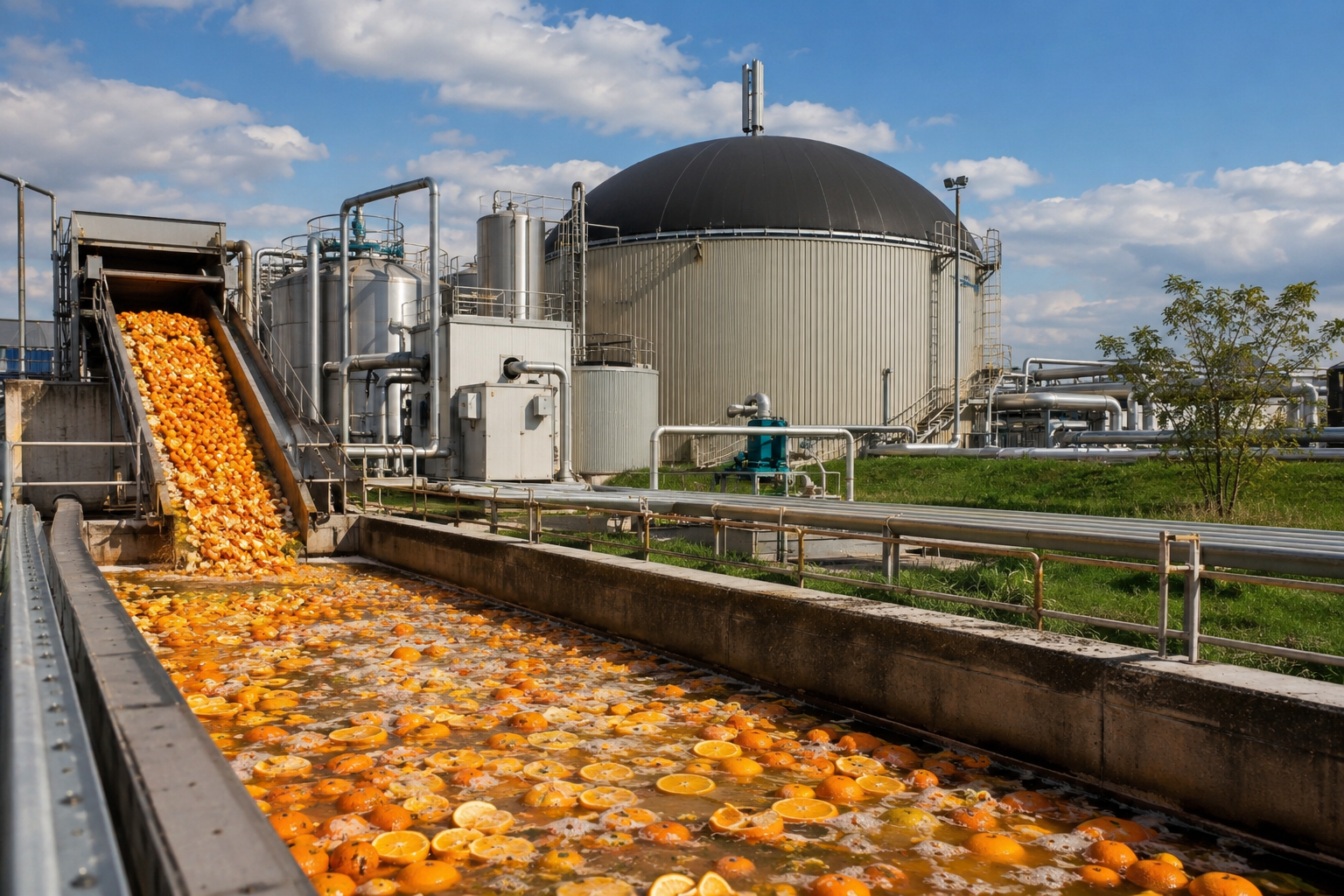
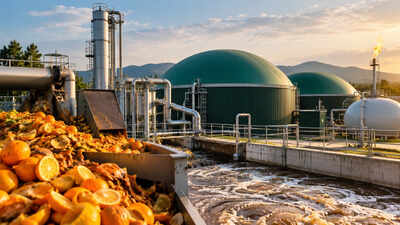
A huge facility built around citrus waste (Image: AI Generated)
A huge facility built around citrus waste
The scale of the new operation reflects the enormous volume of material generated by Brazil’s citrus-processing industry. The new plant will occupy approximately 195,000 square metres and will be capable of treating around 400 cubic metres of citrus effluent every hour. At full capacity, it is designed to produce more than 50,000 Nm³ of biogas per day. The company describes the facility as the first of its kind and scale in Brazil and the largest in the world for producing biogas through the treatment of citrus effluent. The project is part of a wider effort to integrate energy generation, waste treatment and resource efficiency into its juice-processing operations. The approach could also demonstrate how food-processing waste can become a valuable resource rather than simply an environmental burden. Instead of requiring separate fossil-fuel inputs for industrial energy, the facility will extract energy from a waste stream already generated during citrus processing.
Treated water will return to the environment
Energy production is only one part of the project’s environmental strategy. LDC says 100% of the water treated at the facility will be returned to water resources after the treatment process. This means the system is intended to address both the organic load contained in citrus effluent and the need to manage the resulting water responsibly. The company says the project supports its broader commitment to reducing emissions through supply-chain decarbonisation while improving the efficient use of natural resources. Paulo Hladchuk, global head of the Juice Platform, said the design was intended to maximise positive environmental impacts while strengthening the company’s long-term connection with Brazil’s citrus sector. For Brazil’s large citrus industry, the project illustrates a potentially important shift in how agricultural waste is viewed. Citrus effluent that would otherwise require treatment can instead become a feedstock for renewable gas, while the resulting energy can be used directly within the processing operation.
Why the project could matter beyond orange juice
The significance of the Bebedouro plant extends beyond its ability to generate thousands of cubic metres of biogas every day. It demonstrates how industrial facilities can potentially combine waste treatment and renewable-energy production within the same operation. Its Brazilian citrus operations include more than 30,000 hectares of groves and three citrus juice processing facilities. If the technology performs as expected at full scale, the facility could provide a model for other food-processing industries dealing with high volumes of organic wastewater. Turning waste into biogas could reduce reliance on fossil fuels while simultaneously addressing the environmental challenges associated with industrial effluent. The project therefore represents more than a new energy facility. It is an attempt to create a circular system in which a by-product of orange juice production becomes a source of renewable energy, while treated water is returned to the environment.