










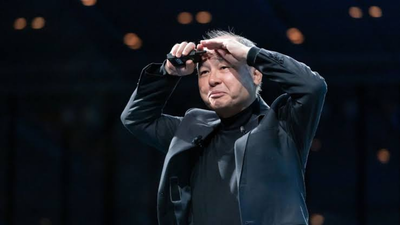
Long before Masayoshi Son became the billionaire founder of SoftBank, he was a student at the University of California, Berkeley. At that time, Son had an unusual financial target. It was to make $10,000 a month while spending only five minutes a day working on it. It sounded unrealistic even to his friends. But Son, who was studying economics at the time, decided to approach the problem differently. Instead of looking for a conventional part-time job, he wanted to create something that could earn money without requiring his constant involvement.The experiment eventually produced an electronic translator, a deal with Japanese electronics company Sharp and $3.2 million in earnings over 18 months.More than four decades later, the same student who was trying to turn five minutes of thinking into a business is running one of the world’s most aggressive technology investment groups. According to Forbes, Son’s real-time net worth was $63.2 billion as of September 1, 2026.
The five-minute experiment that made millions
Son described the unusual experiment during a 2017 appearance on Bloomberg’s The David Rubenstein Show: Peer-to-Peer Conversations. He recalled setting himself a target of making $10,000 a month while working only five minutes a day.His solution was to spend those five minutes thinking about an invention. The idea that emerged was an electronic translator. Son worked with Berkeley researchers, including professor Forrest Mozer, to develop the device. He eventually sold the invention to Japanese electronics company Sharp for $1.7 million, according to him.That was only the first part of the story. Son said another business venture brought in a further $1.5 million, taking his total earnings to $3.2 million in 18 months. “I made $3.2 million in 18 months,” Son told Rubenstein.According to some media reports, the second venture involved importing used video-game machines from Japan and placing them in locations such as American dormitories and restaurants. Son has been reported to have made about $1.5 million from that business.
The teenager who left Japan for America
During the 1990s, he began putting money into internet businesses at a time when the commercial internet was still in its early stages.
Son was born on August 11, 1957, in Tosu, Saga Prefecture, Japan, into a family of Korean heritage. His childhood was not financially comfortable, and he has spoken about facing discrimination because of his background.In a 2017 Bloomberg interview, Son said discrimination he experienced in Japan became one of the forces that pushed him to work harder. As a teenager, he moved to the United States. Before leaving Japan, Son sought advice from Den Fujita, the businessman who introduced McDonald’s to Japan. Fujita advised him to learn English, study computers and go to America.Son eventually enrolled at the University of California, Berkeley. He studied economics and developed a strong interest in computers and technology. He graduated in 1980.The following year, in 1981, he founded the company that would become SoftBank.
The $1.7 million deal helped start SoftBank
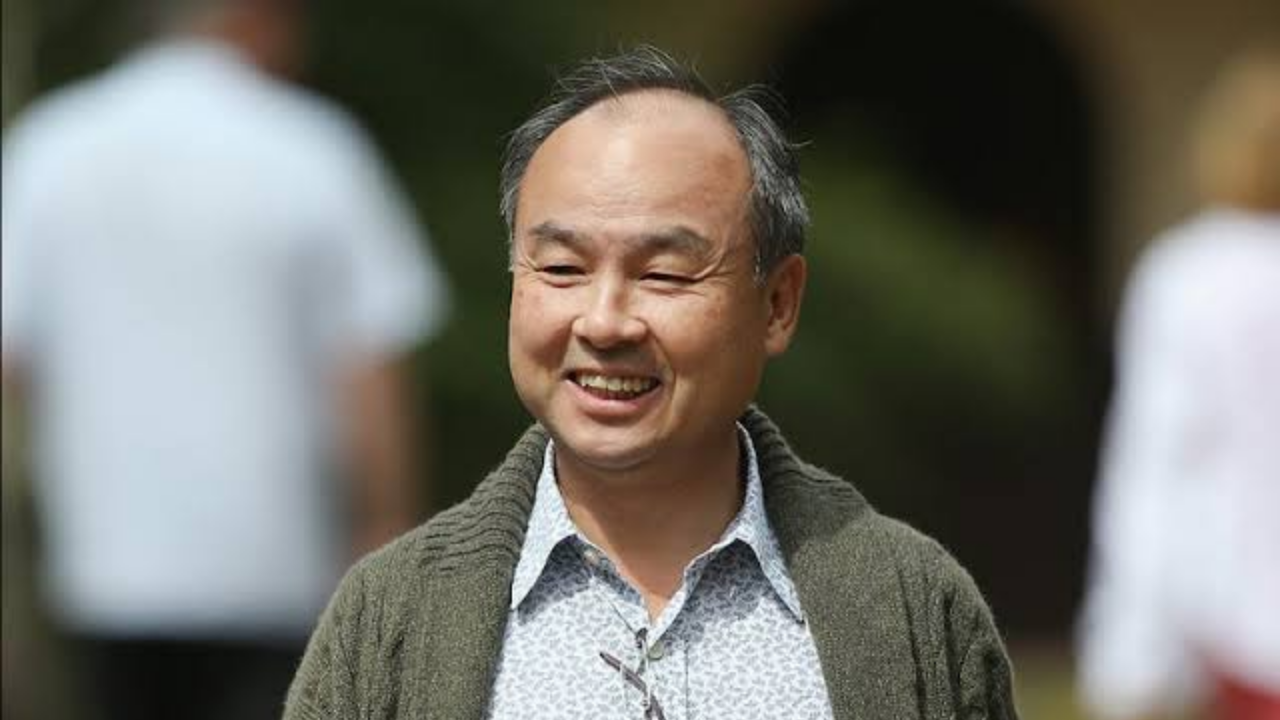
Son has said that he used the money from the translator deal as capital for his business ambitions. When he founded SoftBank in 1981, the company looked very different from the technology investment giant it is today. It started as a software distributor in Japan.During the 1990s, he began putting money into internet businesses at a time when the commercial internet was still in its early stages. One of his most famous early investments was Yahoo. But an even bigger bet was still to come.
The $20 million Alibaba bet
In 2000, Son met Jack Ma, the founder of the then-small Chinese internet company Alibaba. SoftBank invested $20 million in Alibaba. The investment became legendary. As Alibaba grew into one of China’s largest technology companies, SoftBank’s stake became worth many billions of dollars.Reuters has described Son’s Alibaba investment as one of the most successful technology investments ever made. Son later recalled that he was impressed by Ma during their meeting and decided to invest despite Alibaba being a young company.
The $100 billion Vision Fund
In 2016, SoftBank announced plans for the SoftBank Vision Fund, a technology investment fund that could reach $100 billion. SoftBank said it intended to contribute at least $25 billion, while Saudi Arabia’s Public Investment Fund could invest up to $45 billion. By May 2017, SoftBank said the fund had secured more than $93 billion in committed capital at its first major close.The fund invested in dozens of technology companies across sectors including transportation, e-commerce, artificial intelligence and financial technology.
Then came as big setback
The WeWork episode became a warning about the other side of Son’s investment philosophy: the bigger the bet, the bigger the potential loss.
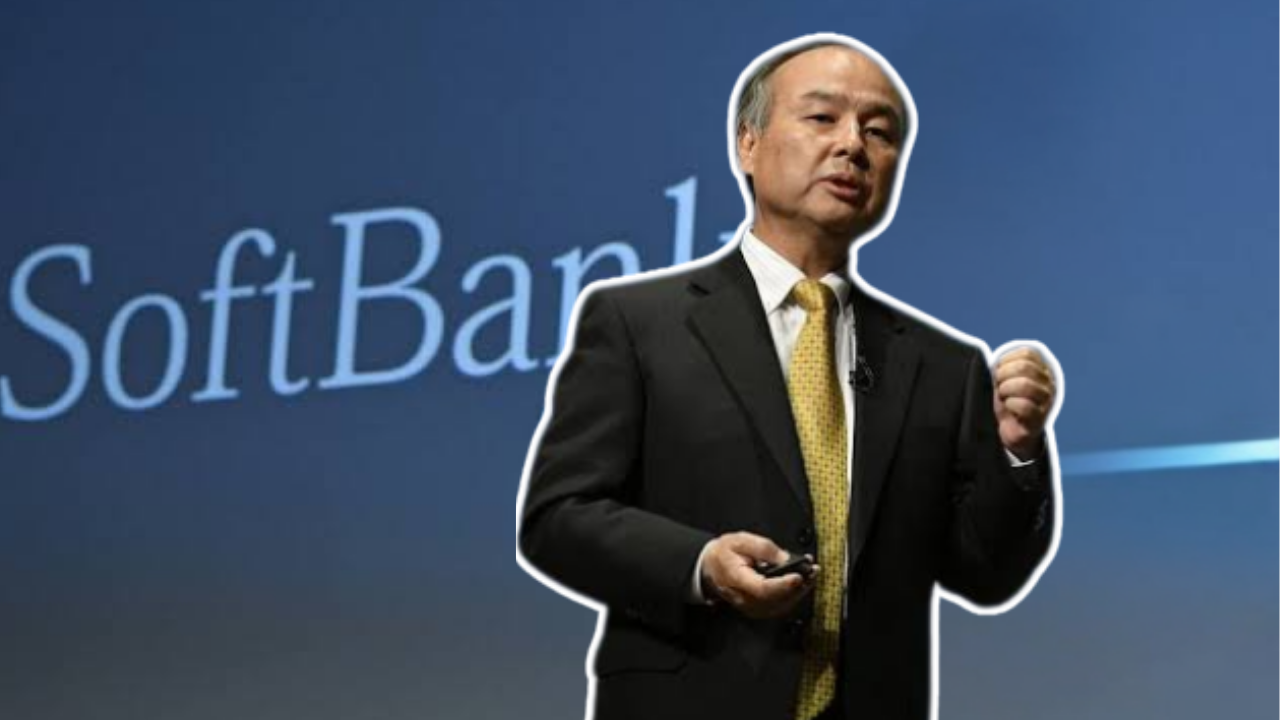
The strategy also produced some of SoftBank’s biggest failures. WeWork became the most prominent example. SoftBank invested heavily in the co-working company through its investment arms. By September 2019, SoftBank said it had invested approximately $4.5 billion through one of its subsidiaries. After WeWork’s proposed IPO collapsed, SoftBank recorded a major impairment on its investment.By April 2020, SoftBank said its total commitments to WeWork, including the Vision Fund, had reached more than $14.25 billion.The WeWork episode became a warning about the other side of Son’s investment philosophy: the bigger the bet, the bigger the potential loss.
From WeWork to AI
Son’s attention has now shifted heavily towards AI. SoftBank’s current strategy is increasingly built around what Son calls the ASI era: artificial superintelligence. By March 31, 2026, SoftBank said it had invested $34.6 billion in OpenAI.Son’s AI strategy extends beyond AI models. In January 2025, SoftBank, OpenAI, Oracle and MGX announced the Stargate Project, a planned AI infrastructure company that aims to invest up to $500 billion over four years in the United States. SoftBank and OpenAI are the lead partners, with Son named chairman of Stargate.Looking back at Son’s story, his five-minute experiment has become a multibillion-dollar project.