










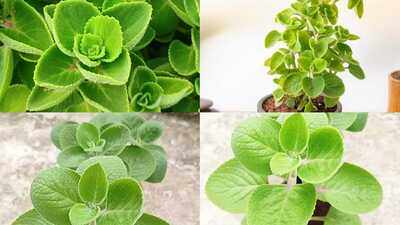
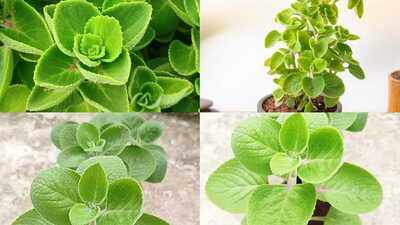
Omam leaves, also called Indian borage, Mexican mint, or Cuban oregano, are one of those herbs that Indian households love to use because of its unique scent and medicinal value. These fleshy leaves are popularly used in home remedies, tea, chutneys, and various foods. One of the best things about this herb is that it is very easy to grow, even in limited spaces such as a sunny windowsill or balcony. In addition to its ease of growing, there are several health benefits of Omam leaves. Below is an explanation of how to grow Omam leaves successfully and the reasons why they should be cultivated in the household.
Pick a healthy stem cutting
Growing omam is rather simple, as the plant grows well from stem cuttings. Pick a healthy stem with several leaves around 10 – 15 centimetres long. Detach the leaves on the lower section of the stem before planting the plant. The cutting can be put in water and allowed to grow roots first or directly into moist potting soil. In a matter of few weeks, the stem will grow roots and produce new leaves.
Provide sufficient sunlight
The omam plant thrives in lots of sunlight and grows best when exposed to four to six hours of sunlight each day. The pot with Omam can be kept close to sunny windows, a balcony, a terrace, or any other spot where sufficient sunlight is available. Even though it can tolerate partial shade, strong sunlight generally promotes healthy foliage and better branching with more fragrant leaves.
Water without overwatering
As the leaves of the omam are like succulents and hold moisture inside themselves, it does not require frequent watering. Allow the upper layer of the soil to become a bit dry before watering. Overwatering can result in root rotting. To avoid this, the plant should be grown in well-draining soil and pots with drainage holes. The frequency of watering should increase in the summer and decrease in the winter season.
Harvest to encourage growth
Once the plant matures, harvesting leaves frequently from the mature stems is recommended. This way, the plant stays bushy and does not grow too tall and leggy. Fresh leaves can be harvested to be used in tea, soups, fritters, chutneys, or in traditional home remedies. The leaves need to be harvested frequently as this maintains the shape of the plant and allows it to produce leaves continuously.
Five health benefits of omam leaves
Omam leaves have been used in traditional medicine for centuries and they contain beneficial plant compounds. They are associated with the following health benefits:– Help in maintaining digestive health and relieving bloating.– Contain antioxidants that protect cells against oxidative stress.– Traditionally used for soothing cough and throat.– Have natural anti-inflammatory properties.– Contain vitamins and minerals important for health when taken in food.
A low-maintenance herb worth cultivating
The biggest advantage of Omam is that it needs minimal care. It grows well in containers, is adaptable to different climates, and rarely needs any special attention. Beginner gardeners can take care of this plant without difficulty. In addition to giving you aromatic leaves all year round, it will decorate your kitchen and balcony. With occasional pruning and sufficient sunlight, a single plant can provide fresh leaves for many months.This article is for informational purposes only. While Omam leaves have a long history of traditional use, they are not a substitute for professional medical advice, diagnosis, or treatment. Consult a qualified healthcare professional before using herbs to manage any health condition.