






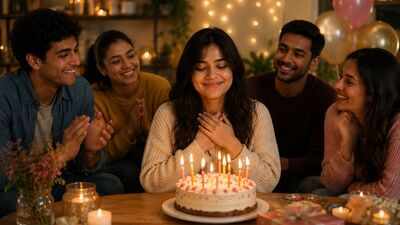
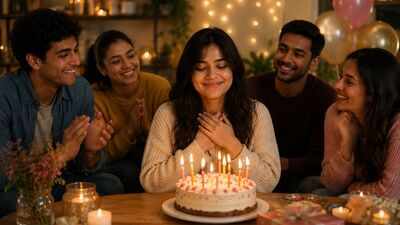
Walk into almost any birthday or anniversary gathering and there is a good chance the cake appears at some point. Candles are lit, cameras come out and everyone pauses for the familiar ritual before the celebration continues. It has become such an accepted part of marking personal milestones that many people barely question it. Yet plenty of people quietly leave that tradition behind. They might spend the day travelling, eat dinner with a handful of relatives, volunteer, or simply enjoy an ordinary evening without any ceremony. Psychology suggests that these choices are rarely about rejecting the occasion itself. More often, they reflect differences in personality, motivation and the personal meaning attached to celebrations.
Why some people prefer celebrations that feel personal
Customs become powerful because they are repeated over time. Families pass them down, friends expect them, and social media often reinforces the idea that a celebration should look a certain way.That can create the impression that a birthday is incomplete without a cake-cutting moment. Yet people do not all experience traditions in the same way. What feels warm and familiar to one person may seem unnecessary to someone else. The date itself still matters. It is simply marked in a different form.As per the study published in the ScienceDirect, titled, ‘Self-Determination Theory’, psychologists Edward Deci and Richard Ryan, argued that people generally experience greater satisfaction when their actions come from genuine personal choice rather than outside pressure. Applied to birthdays, that idea helps explain why some people lose interest in rituals they feel obliged to perform. If cutting a cake happens because everyone expects it, the act may carry little emotional value. Spending the same time doing something that reflects personal priorities, whether that is visiting family, taking a quiet walk or sharing a favourite meal, can feel more rewarding because the decision belongs to the individual.
Why introverts often prefer quieter celebrations
Not everyone enjoys being the centre of attention. Personality research, including work based on the Big Five model, has long suggested that people differ in how comfortable they are with large social occasions.The research published in ScienceDirect, ‘Personality and space: Introversion and seclusion’ reveals that someone with a more introverted personality may prefer a small gathering over a room filled with guests. The attention that comes with singing, photographs and a ceremonial cake can feel tiring rather than enjoyable. A quieter celebration does not indicate a lack of affection for friends or relatives.
How personal experiences shape celebration rituals
There is another psychological explanation for why familiar customs are sometimes resisted. Jack Brehm’s Psychological Reactance Theory proposes that people can push back when they feel their freedom to choose is being limited.That response does not require conflict or disagreement. Even gentle insistence from well-meaning family members can make a tradition feel less voluntary. In those situations, declining the cake or replacing it with another activity may be less about the ritual itself and more about preserving a sense of personal autonomy.People rarely attach identical emotions to shared traditions. Social psychology has long recognised that the meaning of an event is shaped by personal experience as much as by the activity itself.For some families, gathering around a cake represents closeness and continuity. Others may connect birthdays with reflection, gratitude or spending uninterrupted time with loved ones. A person who skips the cake may still place great importance on the day, but the symbol they choose is different.
How social anxiety can influence celebrations
Large celebrations can also be difficult for people who experience social anxiety. Standing in front of a group while everyone watches, sings or records videos can create genuine discomfort. The study published in PubMed Central, titled ‘Cultural Aspects in Social Anxiety and Social Anxiety Disorder’ reveals that does not mean everyone who avoids cake cutting has anxiety. There are many reasons for preferring a quieter occasion. Still, for those who do find public attention stressful, removing that single ritual may make the entire celebration feel calmer and more enjoyable.Many people gradually develop rituals that have little connection to cakes or parties. Some take an annual trip, others write in a journal, cook a family recipe, plant something in the garden or make a charitable donation.These habits can become deeply significant because they grow from personal values rather than expectation. Over time they may hold far stronger emotional meaning than a custom followed simply because it has always been done.
What makes a celebration truly meaningful
Skipping a cake-cutting ceremony is easy to misread, especially when it has become such a familiar feature of birthdays and anniversaries. Psychology offers a quieter explanation. People differ in personality, emotional comfort and the ways they create meaning from important moments.The occasion itself is not necessarily any less important. What changes is the form it takes. For some, a crowded room and candles feel exactly right. For others, the memory they value most may come from an ordinary conversation, a peaceful afternoon or a tradition that belongs only to them.