










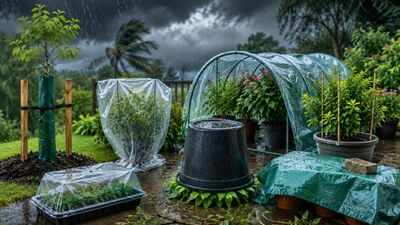
Monsoon rain brings relief after weeks of summer heat. But due to it, the soil around the plants can also become waterlogged. Tender stems may snap under heavy showers. Constant moisture creates severe conditions for fungal diseases to spread. Even healthy plants can struggle if they stay soaked for too long.Preparing a garden before a spell of heavy rain can make a noticeable difference. Simple precautions can help protect roots, reduce storm damage and improve the chances of plants recovering quickly once the weather clears.
How to protect your plants from heavy monsoon rain: 6 easy tips that work
1. Prevent waterlogging before it damages the roots
The biggest threat during heavy rain is waterlogging. When water collects around the roots, the soil loses oxygen. Without enough air, roots become weaker and may begin to rot.Creating shallow drainage channels allows excess water to flow away before it builds up around plants. Even a simple run-off path can help prevent waterlogging and keep the soil healthier after heavy showers.
PC: AI Generated
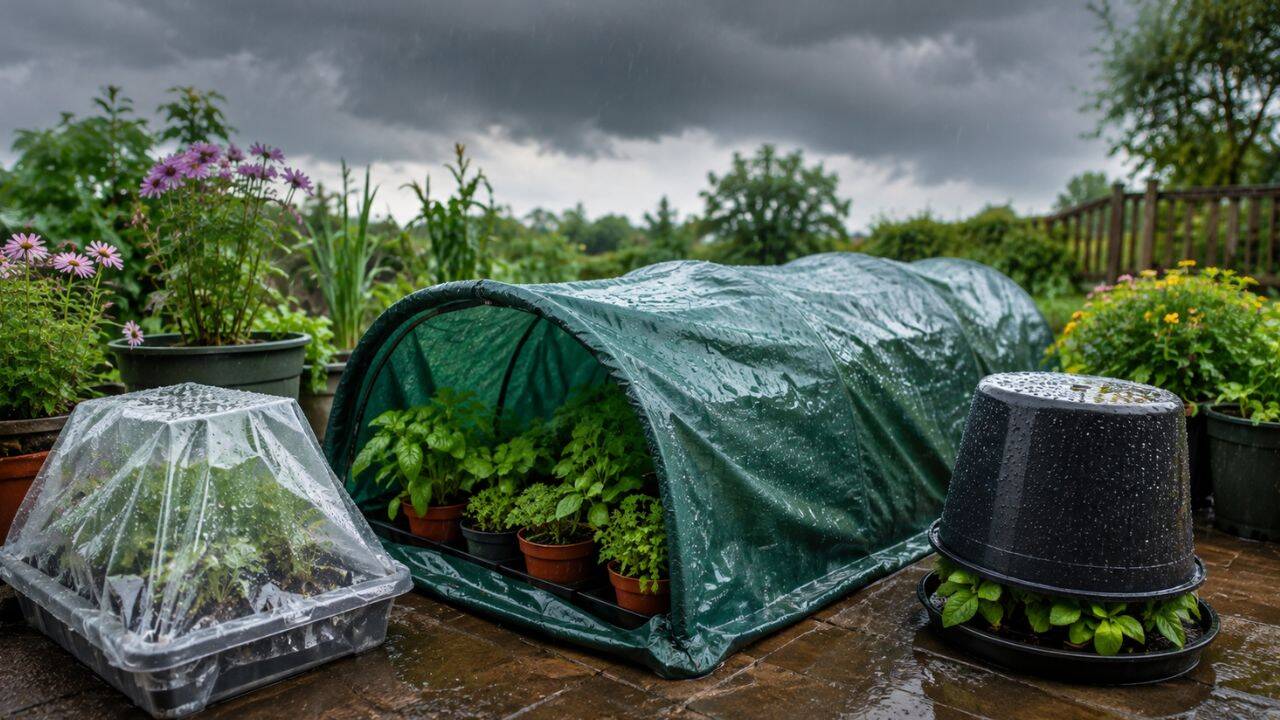
2. Cover delicate plants before heavy rain arrives
Young herbs, flowering plants and tender seedlings are often the first to suffer during intense rainfall. Heavy drops can flatten leaves and damage growth.Temporary covers such as waterproof sheets, buckets or garden tarps can soften the impact of rain. They also protect vulnerable plants until conditions become calmer.
PC: AI Generated
3. Support tall plants before storms
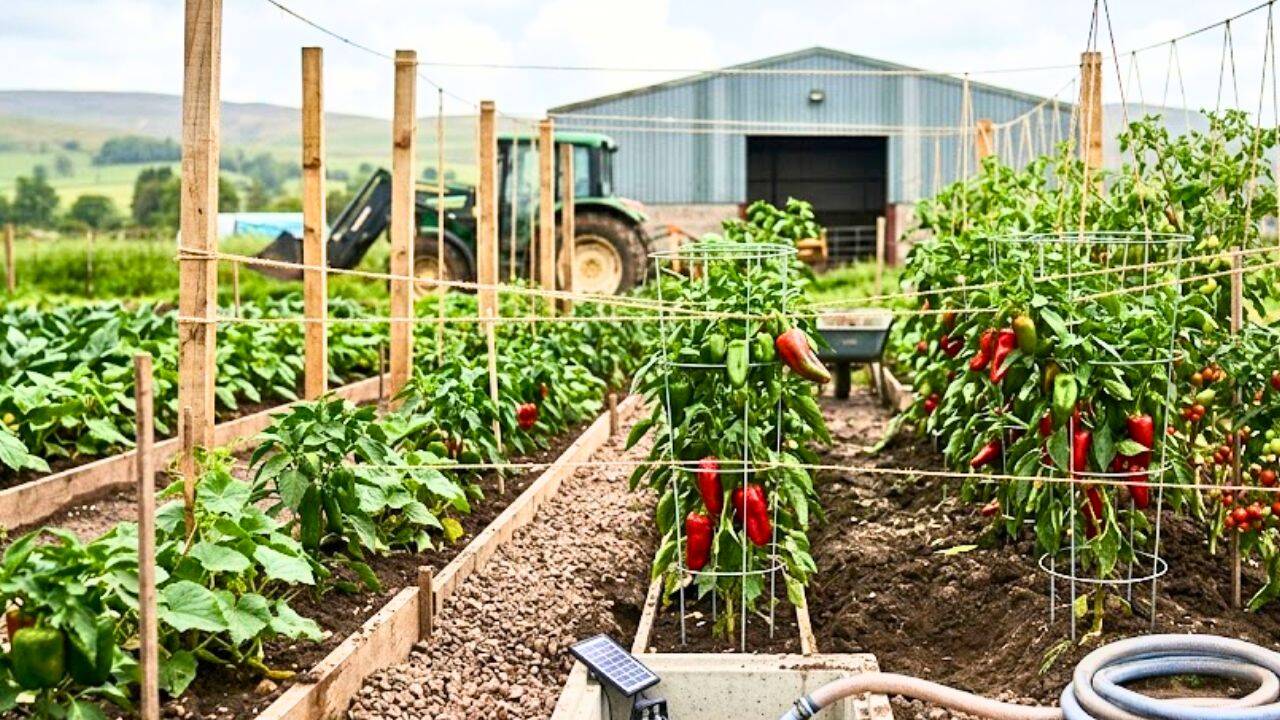
Rainstorms often arrive with strong winds. Together, they place extra pressure on taller plants. Adding stakes or cages before bad weather helps keep stems upright and reduces the risk of breakage. Plants that are easy to move should be placed in sheltered areas whenever possible.
PC: AI Generated
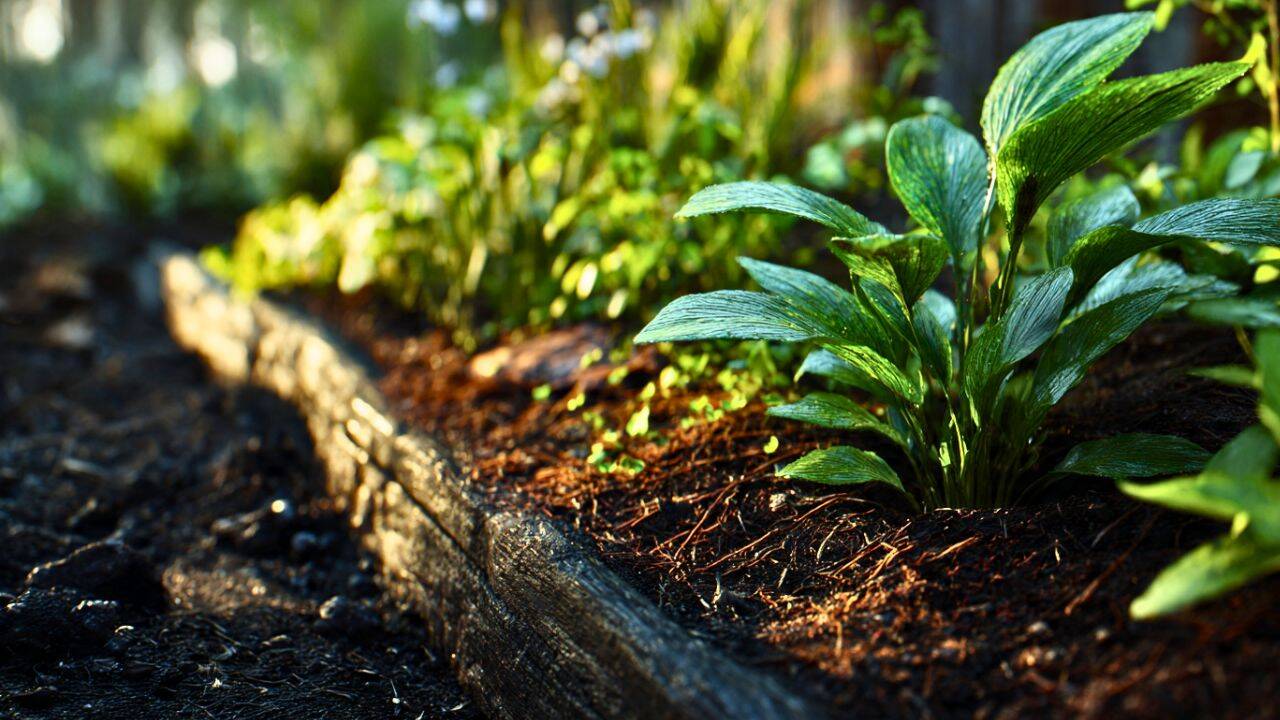
4. Add mulch to protect the roots
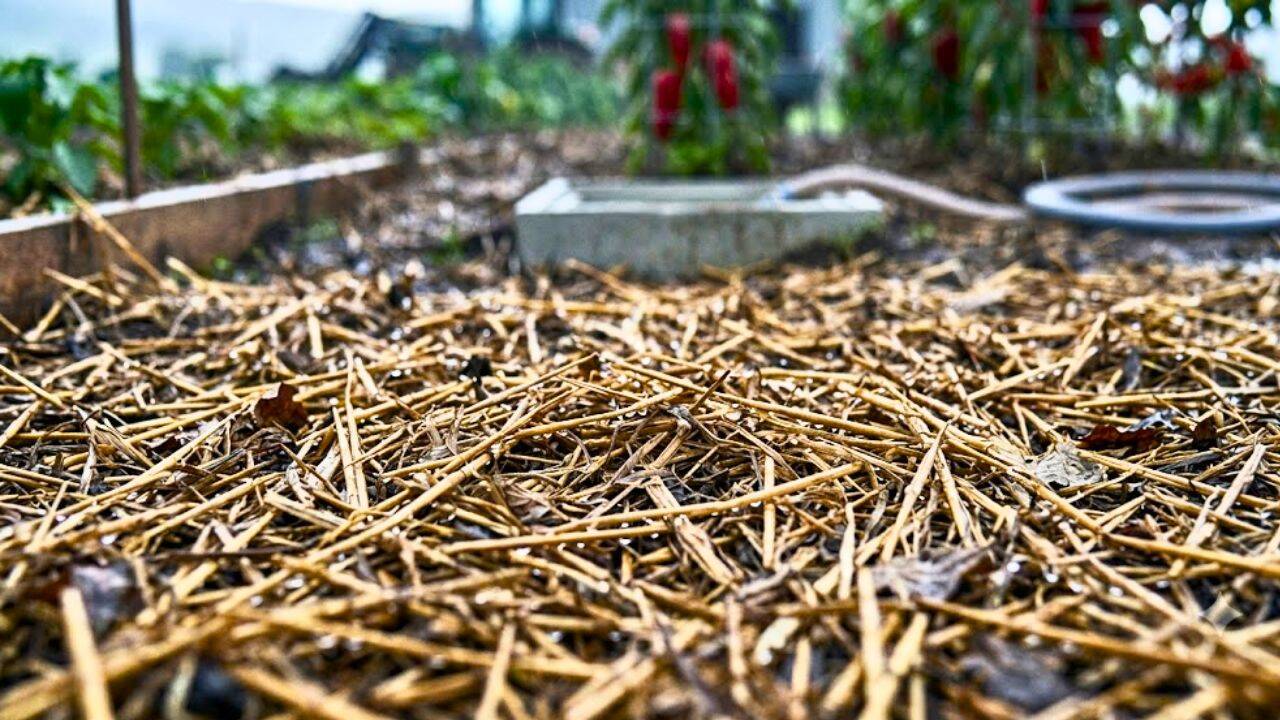
Mulch helps retain moisture during summer. During the rainy season, it also shields the soil from erosion and reduces sudden temperature changes around the roots. A layer of mulch spread around the plant can improve soil protection.
PC: AI Generated
5. Remove damaged growth as soon as possible
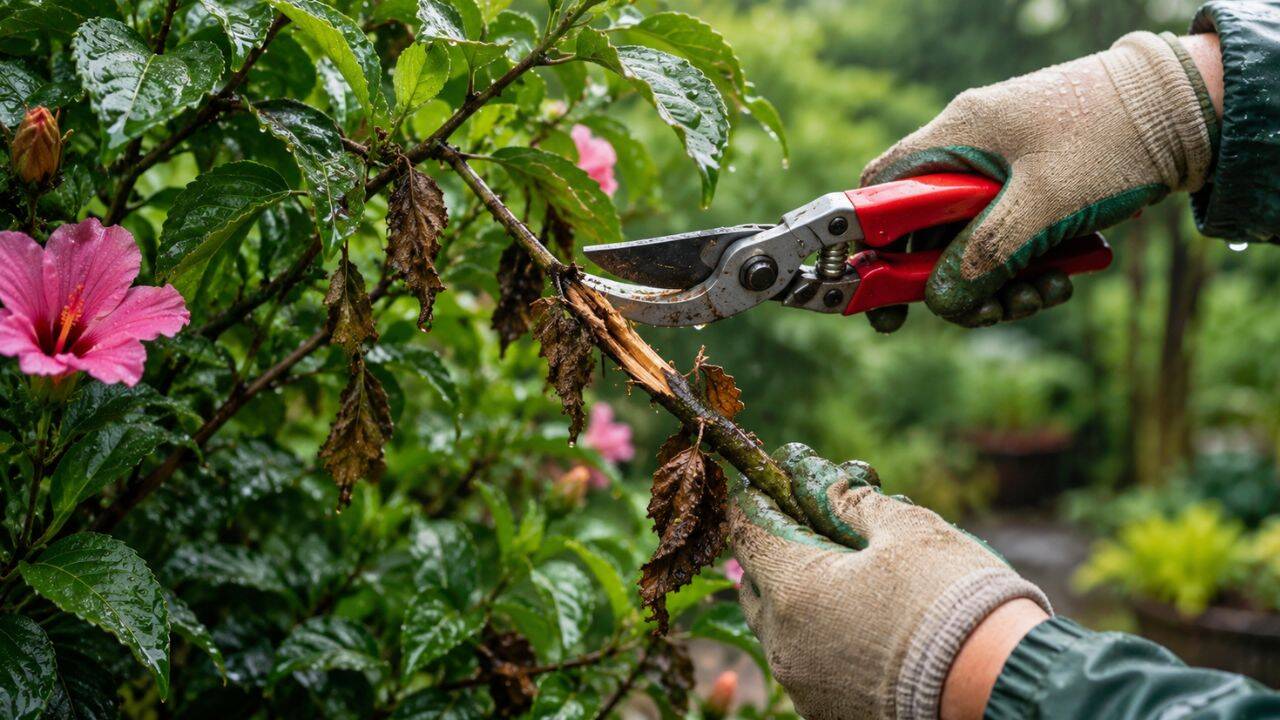
Broken branches and bruised leaves rarely recover after heavy rain. They often become the first places where fungal diseases begin to spread.Pruning damaged stems allows the plant to focus on its healthy growth. It also improves air circulation, helping leaves dry more quickly once the rain stops.
PC: AI Generated
6. Secure newly planted trees and shrubs
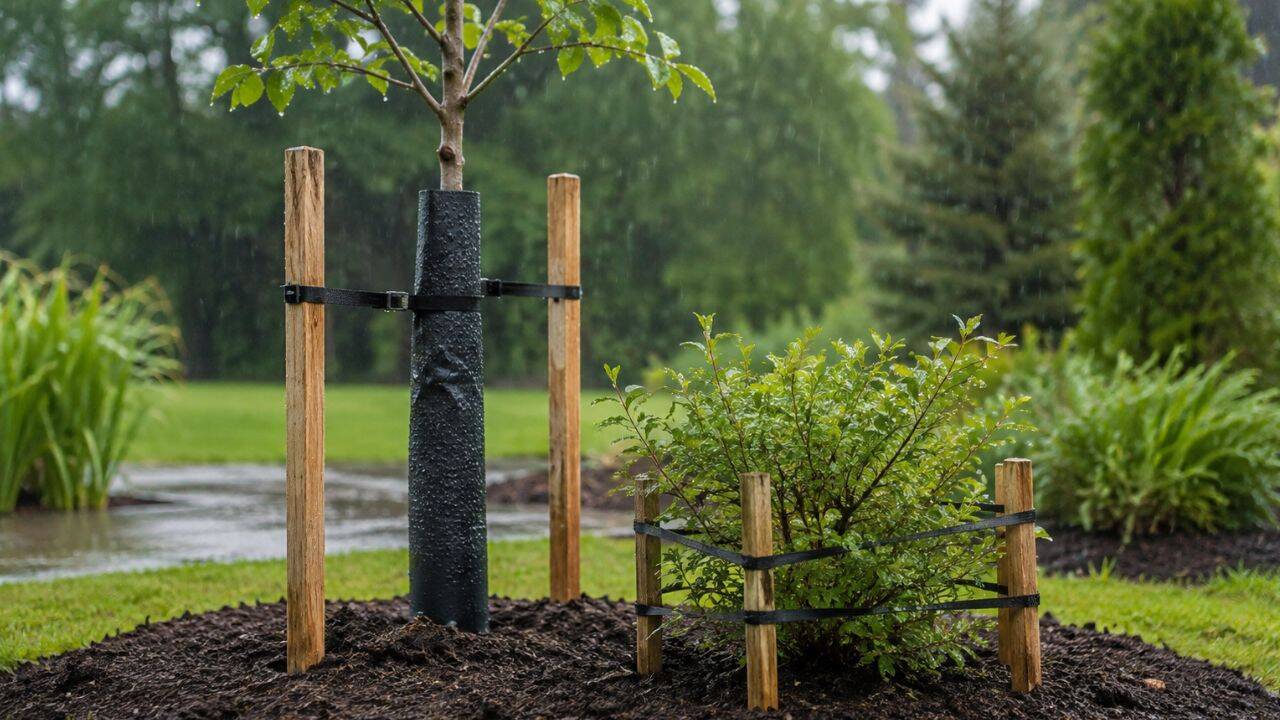
Young shrubs and recently planted trees have not yet developed strong root systems. Heavy rain and strong winds can loosen the surrounding soil and cause them to lean. Wrapping or supporting them with garden stakes provides extra stability until the weather improves.
PC: AI Generated