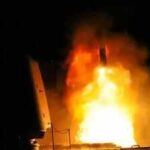






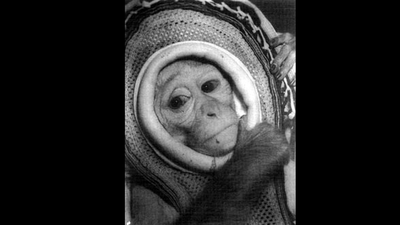
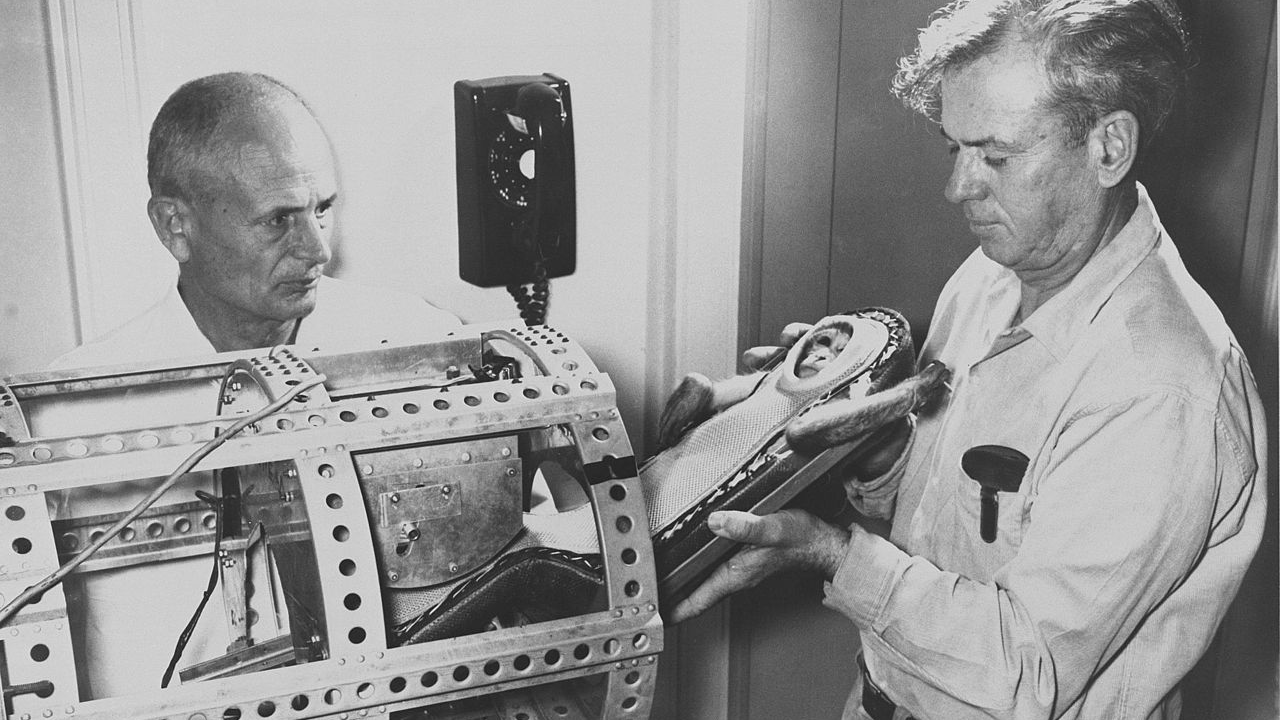
In January 1960, Nasa launched the rhesus monkey Miss Sam aboard a Little Joe rocket from Wallops Island, Virginia, to test the launch escape system built for Project Mercury. The flight was designed to confirm that the escape tower could pull the capsule clear of its booster during an abort, a safeguard critical to any future human mission. According to Nasa, the capsule reached a velocity of 1,800 mph and an altitude of 9 miles before descending into the Atlantic Ocean roughly 10.8 miles downrange from the launch site. Miss Sam, mate to the rhesus monkey Sam who had flown a similar test the previous month, was recovered shortly afterwards in overall good condition and returned to her training colony. The mission formed part of a wider programme of primate testing that shaped Nasa’s assessment of the safety of the Mercury spacecraft ahead of crewed flight.
What did Nasa test during Miss Sam’s Mercury mission
The flight profile for Miss Sam’s mission was markedly lower and slower than Sam’s, reflecting the different abort conditions being tested. Nasa records that the Mercury capsule reached a velocity of 1,800 mph and an altitude of 9 miles during the flight, figures consistent with a test designed to simulate an escape at a specific point in the launch sequence rather than a full-altitude abort.Following the escape sequence, the capsule descended into the Atlantic Ocean roughly 10.8 miles downrange from the launch site. Nasa’s history applies the same standard used for Sam’s earlier recovery, noting he was retrieved “with no ill effects from his journey,” and records that Miss Sam was likewise returned in overall good condition. She was subsequently sent back to the training colony from which she had come.
PC:wikipedia
How did Miss Sam’s mission shape later Nasa animal tests
The behavioural and physiological monitoring pioneered on flights such as Miss Sam’s directly influenced how Nasa assessed later primate missions. According to the study published in ResearchGate, titled ‘Chimpanzee performance during the ballistic and orbital Project Mercury flights‘, chimpanzee subjects were flown on the subsequent Mercury-Redstone 2 and Mercury-Atlas 5 missions. They had been trained on modified operant tasks to measure effects of flights on learned behaviour.Performance was relatively unaffected during weightlessness, and both eating and drinking were carried out without difficulty by the animal subjects. The authors stated that behavioural measures were essential to assessing the effects of spaceflight on living organisms, a principle first put into practice on flights such as Miss Sam’s, and one that continued to shape animal testing throughout the remainder of Project Mercury.