










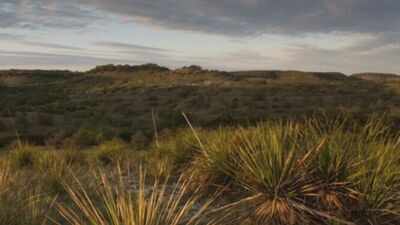
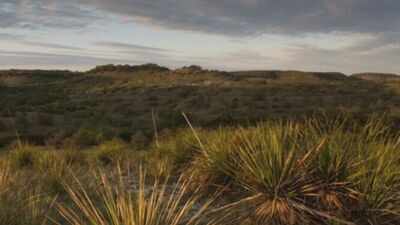
Back in 1969, R. C. Bamberger made a bold move that left many locals scratching their heads. The co-founder of Church’s Fried Chicken bought 3,000 acres of badly damaged land in the Texas Hill Country, stepping into a landscape ruined by generations of heavy cattle grazing. The topsoil was washed away, native plants were gone, and the natural springs had completely dried up. According to records kept by the Bamberger Ranch Preserve, the property was essentially a desolate expanse that most ranchers considered beyond saving. Instead of looking for quick profits, Bamberger launched an ambitious project to bring the land back to life.With decades of careful work and ecological planning, he restored natural water sources and developed a thriving wildlife habitat that continues to inspire environmentalists today.Evaluating decades of environmental destructionWhen Bamberger first set foot on the property, he inherited the results of decades of environmental neglect. Heavy agricultural use had stripped away the native grasses that once held the delicate Texas soil together. Without vegetation to protect the ground, aggressive rains washed away the fertile topsoil, leaving behind hard, compacted limestone. When storm clouds rolled in, water could no longer seep into the ground.Instead, rain rushed across the surface in muddy flash floods, stripping away remaining nutrients and carving deep gullies into the landscape. The underground water tables dropped steadily because nothing was recharging them.Local creeks dried up completely, natural springs stopped flowing and native wildlife abandoned the area. The site looked less like an active ecosystem and more like an industrial wasteland, a graphic example of the consequences of overexploiting natural resources.Restoring the water cycleRestoring a landscape so badly damaged took more than planting some trees and letting nature take its course. Bamberger’s approach was systematic and science-based, consulting with hydrologists, botanists and soil experts, and together they developed a multi-step plan to repair the broken water cycle from the ground up. The primary goal was to make sure rainwater stayed on the property rather than running off into neighboring valleys. His team built physical barriers of stone along hillsides to slow surface runoff and trap loose sediment. At the same time, they systematically cleared out dense thickets of thirsty invasive brush that were draining precious underground moisture. They swapped them for thousands of deep-rooted native grasses. These native plants acted like natural sponges, softening the impact of heavy rains, easing the water slowly down into subterranean aquifers.Watching the ecosystem come back to lifeThe practical effect of these water conservation efforts showed up after several years of persistent effort. As underground aquifers refilled, natural pressure built beneath the surface, forcing water back up through long-dormant rock fissures. The springs that had been dry for fifty years came back to life, trickling at first, then feeding steady streams across the property. The whole landscape was radically altered as clean water flowed in a steady stream. Dormant seed banks buried in the soil began to sprout, dressing once-barren hillsides in green vegetation. Wild turkeys, white-tailed deer, quail and songbirds soon returned to populate the new habitats. Fish and amphibians re-populated the restored creek beds, turning a once-barren dust bowl into a thriving biological sanctuary of native species.Sharing practical lessons with the worldBamberger’s successful land rehabilitation soon became known throughout the scientific and agricultural communities. What had begun as a private passion project had become a celebrated educational center for environmental science.Landowners, university researchers and agricultural students came to the site to learn how practical conservation methods could be applied to their own properties. Bamberger often hosted guided tours and practical workshops, showing that responsible environmental care need not conflict with sensible land ownership.He showed visitors how simple changes in land management could yield dramatic ecological returns. By sharing his successes and failures openly, he provided a workable blueprint for other land managers who wanted to heal degraded pastureland across the region.Maintaining a generational missionR. C. Bamberger passed away in 1990, but the monumental work he started on the Texas hillside remains fully active.Today his family collaborates with professional conservation staff to manage the preserve, monitor local wildlife populations and run educational outreach programs for schools and community groups. The property is still an active site for ecological research and serves as living testimony that human intervention can heal severe environmental damage. His story demonstrates that with patience, good scientific practices, and a long-term outlook, even the most damaged landscapes can be returned to a healthy, self-sustaining condition.