












Cinnamon may look like a simple kitchen spice, but not every product sold under the name has the same identity. The two most familiar types are Ceylon cinnamon, or Cinnamomum verum, often called ‘true cinnamon’, and cassia cinnamon, which comes from several closely related Cinnamomum varieties and is widely sold as cinnamon. While both are used in cooking and can look similar when ground, they differ in appearance, flavour, aroma, and chemical composition. The study published in the National Library of Medicine titled ‘Differentiating True and False Cinnamon: Exploring Multiple Approaches for Discrimination’ examined different ways of distinguishing Ceylon cinnamon from cassia and other varieties or adulterants. It found that physical appearance, smell, and taste can provide useful clues, while microscopic, chemical, chromatographic, and DNA-based methods offer more reliable identification. The study also notes that powdered cinnamon is particularly difficult to authenticate because grinding removes many of the visible features of the bark.
6 simple ways to identify real cinnamon at home
Distinguishing Ceylon cinnamon from cassia is not always straightforward, but several visible and sensory clues can make the difference easier to spot. The colour, bark structure, texture, aroma, and flavour can provide useful indications, while the product label offers another important check.
1. Check the colour
True Ceylon cinnamon is generally described as light reddish-brown, while cassia is usually darker reddish-brown. Colour can therefore offer an initial clue when comparing whole sticks. However, natural variation between samples means colour alone should not be treated as proof of authenticity.
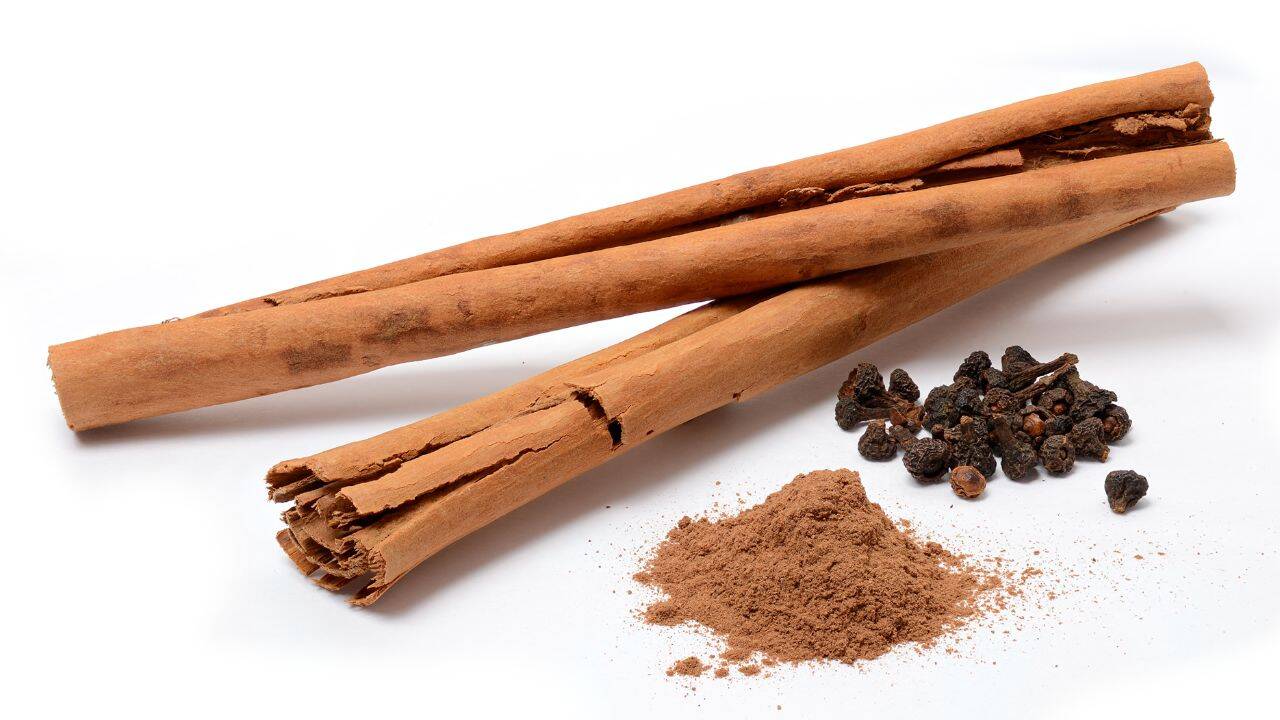
Check the colour (PC: By Simon A. Eugster/Wikipedia)
2. Examine the bark
Look closely at the structure of a whole cinnamon stick. Ceylon cinnamon is made from many thin layers of bark rolled together, giving it a delicate, layered appearance. Cassia tends to have a thicker, harder piece of bark with fewer visible layers. The difference is much easier to see in whole sticks than in powder.
3. Try to break or bend the stick
Ceylon cinnamon is relatively thin and brittle, while cassia is generally thicker and harder. A whole stick that appears delicate and consists of many tightly rolled layers is more consistent with Ceylon cinnamon. Avoid relying on this test alone because processing and moisture can affect how easily a stick bends or breaks.
4. Smell the cinnamon
Aroma can provide another clue. True cinnamon is generally described as having a softer and sweeter aroma, while cassia tends to have a stronger, more pungent character. The study notes that sensory analysis can help identify differences in aroma and flavour, although these observations are not sufficient on their own to confirm botanical identity.
5. Taste a small amount
Taste can also help distinguish varieties. Ceylon cinnamon is associated with a milder, sweeter flavour, whereas cassia is generally stronger, spicier and more astringent. However, taste should only be considered a supporting clue. Different varieties naturally have different chemical compositions, and a sensory test cannot reliably detect every form of adulteration.

Taste a small amount (PC: Bertrand THIRY/Wikipedia)
6. Check the label
Look at the product description before assuming that every cinnamon product is Ceylon cinnamon. The study identifies Cinnamomum verum as true or Ceylon cinnamon and identifies cassia, Indonesian cinnamon and Vietnamese cinnamon as other commercially used types.
Be more cautious with cinnamon powder
Powdered cinnamon is much harder to authenticate by appearance because grinding removes the bark’s distinctive structure, colour patterns, and other physical features. The study notes that adulteration is particularly difficult to detect in powdered products. If you specifically need to establish whether a powder is Ceylon cinnamon, visual and sensory checks are not enough.
What makes Ceylon cinnamon different from Cassia
The term ‘fake cinnamon’ can be misleading. Cassia is itself a genuine cinnamon product, but it is a different variety or group from Ceylon cinnamon. The concern arises when a cheaper variety is sold or labelled as premium Ceylon cinnamon. The study says Ceylon cinnamon is usually more expensive and has a milder, sweeter flavour. Cassia has a more bitter, spicy, and astringent taste and generally contains much more coumarin. This distinction is important when checking a product because identifying cassia does not automatically mean you have found an adulterated spice. Ceylon cinnamon, also known as true cinnamon, originates from Sri Lanka, while cassia cinnamon mainly comes from China. Other commercially used cinnamon types include Indonesian cinnamon and Vietnamese cinnamon.