








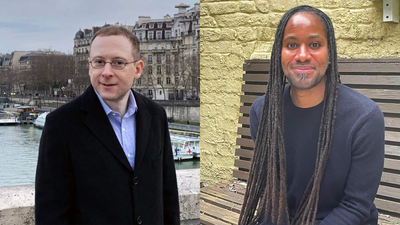
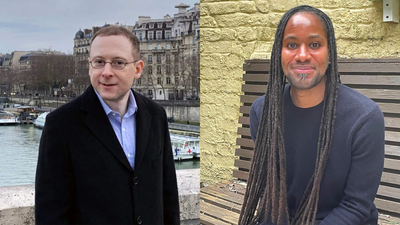
Former Cambridge academic Nathan Cofnas says he fears for his safety in London after thousands gathered at Trafalgar Square on Monday for a vigil honouring former Cambridge professor Jason Arday. Arday, 41, died days after resigning from the university amid allegations of plagiarism and questions about his academic career. Cofnas brought the controversy into the public spotlight in July after revealing extensive similarities between passages in Arday’s 2015 PhD thesis and earlier academic work. The Guardian later independently identified more than 100 passages with similarities. Arday also faced scrutiny over claims concerning academic positions, fundraising, athletic achievements and other details in his professional biography. Cambridge announced an investigation into his qualifications, honorary appointments and academic-misconduct complaints on August 5, the same day he resigned.
Cofnas says Trafalgar Square gathering made him fear for his life
Cofnas made the claim on X as the August 17 vigil was taking place. He described the gathering as an “anti-Cofnas hate rally” and said that, had he been in London, he believed there was a real possibility he could have been murdered. Speakers at the event criticised people who had questioned Arday’s academic record, with Cofnas among those singled out. Organisers presented the gathering as a vigil to honour Arday, while attendance estimates put the crowd at about 30,000. There is no established evidence that the wider crowd posed a threat to Cofnas or that anyone at the event attempted to harm him.
Cofnas published side-by-side comparisons from Arday’s thesis
Cofnas’s investigation centred on Arday’s 2015 doctoral thesis. He said he used Copyleaks to identify textual similarities with earlier academic work and published side-by-side comparisons of passages. One prominent example involved a 2009 doctoral dissertation by Paula Zwozdiak-Myers, a reader in education at Brunel University London. Cofnas argued that sections of Arday’s thesis reproduced wording and ideas from the earlier dissertation with limited changes. He also pointed to passages where, according to his analysis, errors in the earlier material appeared to have been retained. Retraction Watch later reported that dozens of passages identified by Cofnas closely matched Zwozdiak-Myers’ dissertation.
Earlier reviews and investigations also examined his academic work
The allegations did not begin with Cofnas’s July analysis. Retraction Watch reported that Times Higher Education had previously prepared a 63-page dossier examining alleged plagiarism in Arday’s thesis and journal articles. The report included claims involving material that allegedly appeared inside quotations attributed to people Arday said he had interviewed. Liverpool John Moores University, where Arday completed his PhD, had previously reviewed concerns and did not find plagiarism. Arday denied plagiarism, while acknowledging mistakes in his academic work. The competing claims and findings remain central to the controversy.
Questions spread to Arday’s professional biography
The scrutiny later expanded beyond his academic writing. The Guardian examined claims about positions and affiliations listed in Arday’s professional biography, including references involving Ohio State University, the University of Glasgow and Birkbeck. The newspaper reported that some institutions disputed or could not substantiate certain claims. Questions were also raised about descriptions of his sporting achievements, charity fundraising and other aspects of his public profile. These inquiries broadened the controversy from the contents of his academic work to the accuracy of claims associated with his career.
Cambridge announced an investigation before his resignation
Cambridge announced on August 5 that it was investigating concerns surrounding Arday’s qualifications, honorary appointments and academic-misconduct complaints. Arday resigned from the university on the same day, saying the level of scrutiny had become unbearable. The university had previously defended him amid earlier concerns, while the renewed allegations prompted a fresh examination of his credentials and academic record.
Arday was found dead days after resigning
Arday was found dead at a property in Battersea, south London, on August 13, eight days after his resignation. He was 41. The Metropolitan Police said his death was unexpected but was not being treated as suspicious. His death subsequently prompted the Trafalgar Square vigil on August 17, where thousands gathered to remember him and speakers addressed the controversy surrounding his career.