








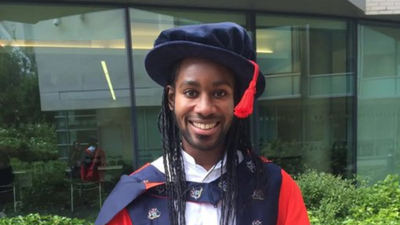
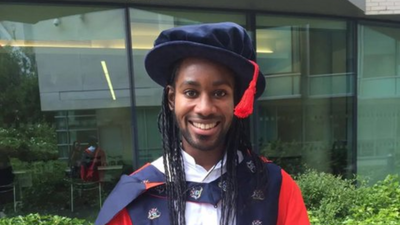
More than 31,000 people, including several MPs, have signed a petition calling for a public inquiry into alleged media harassment of the late Cambridge academic Jason Arday, campaign organisers said Sunday.The petition was launched by activist group Good Law Project, which had supported Arday after he resigned from the University of Cambridge and Jesus College earlier this month.Arday, 41, became Cambridge’s youngest Black professor when he was appointed in 2023. He resigned on August 5 after the university began investigations into allegations of plagiarism and questions over claims he had made about his life and achievements.Good Law Project has alleged that Arday’s death was the result of sustained press harassment and argued that racism played a role in the scrutiny he faced. Those claims have not been independently established.The controversy began after academic Nathan Cofnas, a self-described “race realist” who left Cambridge in 2024 after criticism of his views on diversity, equity and inclusion, publicly alleged in July that Arday’s academic work contained numerous instances of plagiarism.British media subsequently published reports alleging that more than 100 passages in Arday’s 2015 doctoral thesis were identical or closely similar to earlier work.The scrutiny later expanded beyond his academic work to claims about his personal history and charitable achievements. Media reports questioned statements about fundraising through endurance challenges, including claims that he had raised £5.5 million through activities such as running 30 marathons in 35 days and 600 miles in six days. Arday later revised some of those claims.His accounts of his childhood and developmental history also came under scrutiny. Arday had spoken publicly about being diagnosed with autism and about not speaking until the age of 11.Arday denied plagiarism but acknowledged mistakes in his doctoral work.Cambridge initially stood by him, noting that his doctorate had been awarded by Liverpool John Moores University and that the allegations had previously been investigated there. The university later announced a fresh investigation after receiving what it described as new information concerning Arday’s qualifications and honorary appointments.The university has also said it would review its process for appointing senior staff.Arday was found dead at an address in south London on Friday. Police said the death was unexpected but not suspicious.His death prompted renewed criticism of the media coverage surrounding him.Arday’s family said he had endured a “campaign of harassment” and “sustained abuse” since taking up his Cambridge post.The Good Law Project said people involved in its campaign had previously warned media organisations that the continued pursuit of Arday could put him at risk of suicide.
Debate over scrutiny, racism and DEI
The controversy has also become part of Britain’s wider debate over diversity, equity and inclusion policies.Supporters of Arday argue that the intensity of the coverage reflected racism and hostility towards DEI initiatives, while others have argued that questions over his qualifications and Cambridge’s decision to appoint him warranted scrutiny.London mayor Sadiq Khan described Arday as the victim of a public shaming that he said others in comparable positions would not have faced.Former Conservative home secretary James Cleverly, however, said Cambridge had questions to answer over Arday’s appointment, arguing that the university had placed him in positions for which he was not qualified.Prime Minister Andy Burnham called Arday’s death “a tragedy on so many levels” and urged people not to rush to judgment.“It’s not a moment for any rushing to judgment. It’s a moment for reflection,” Burnham said.The petition is seeking a public inquiry into the circumstances surrounding the media scrutiny of Arday.