









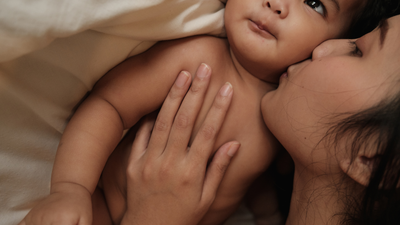
The first few weeks after having a baby are usually consumed by feeding, burping, changing nappies, catching up on sleep and trying to recover from childbirth. Skin care can easily fall to the bottom of the list. But for some new mothers, an unexpected problem begins to demand attention: skin that suddenly feels unusually dry, tight, rough or even cracked. What may have started as mild dryness can become painful.
Why does skin become so dry after childbirth?
Postpartum skin changes are not imaginary. Pregnancy and the period after delivery involve major hormonal, metabolic and immune changes, all of which can influence the skin. Research has found that skin-barrier measurements can change during pregnancy and after delivery.
28 Jul 2026 | 16:26
Which parenting tip from elders actually worked for you?
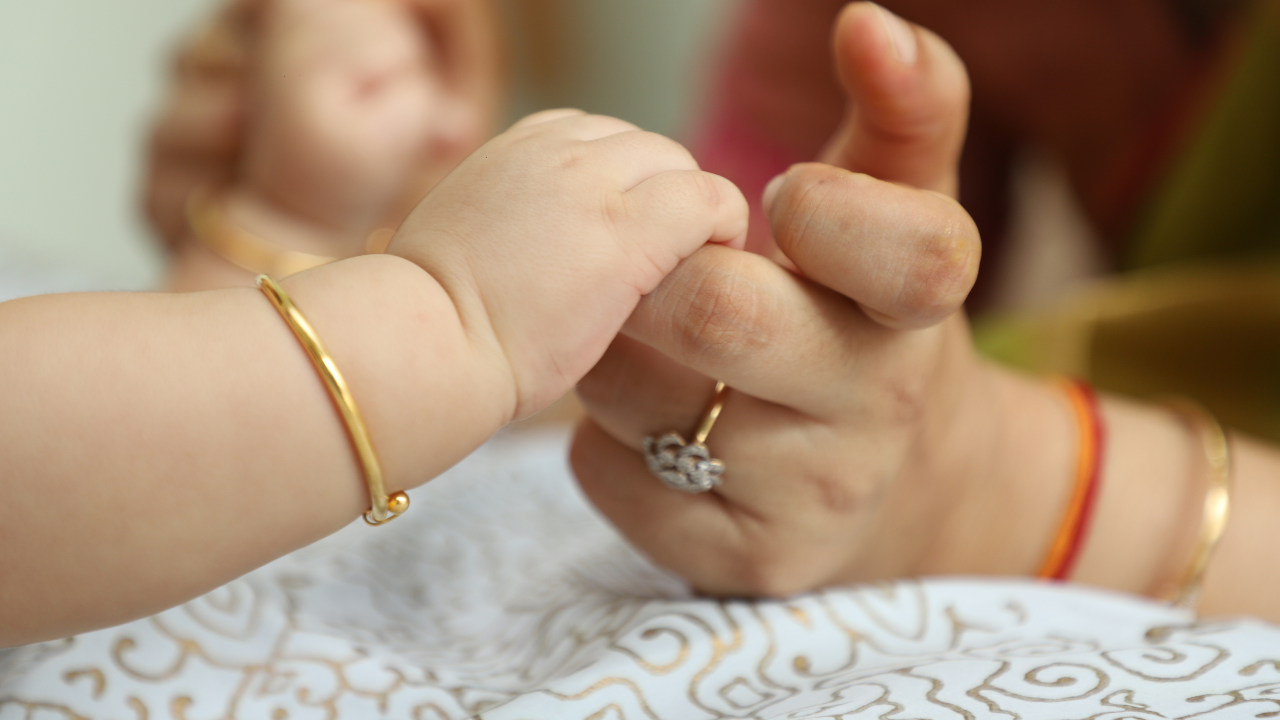
File photo: Canva
One longitudinal study of 52 first-time mothers– conducted by Obstetric Medicine and published in The Royal Society of Medicine Journals- found that transepidermal water loss- a measure of how much water escapes through the skin- was highest around two months after delivery before returning closer to normal by six months. The researchers noted that the clinical significance of the change was unclear, but the findings suggest that the postpartum period can affect the skin barrier.A more recent prospective study- published in Skin Pharmacology and Physiology– also found changes in skin roughness, thickness and water loss during pregnancy and the postpartum period.Hormones may be another piece of the puzzle. After childbirth, oestrogen levels fall sharply, particularly during breastfeeding. Oestrogen has important effects on skin structure and hydration; research on oestrogen deficiency has linked lower levels with increased dryness and reduced skin moisture.The American Academy of Dermatology (AAD) recommends using gentle, fragrance-free cleansers and applying moisturiser immediately after washing, especially for dry hands. For a new mother already washing her hands dozens of times a day, this small change can make a surprisingly big difference.
What can new mothers do about postpartum dry skin ?
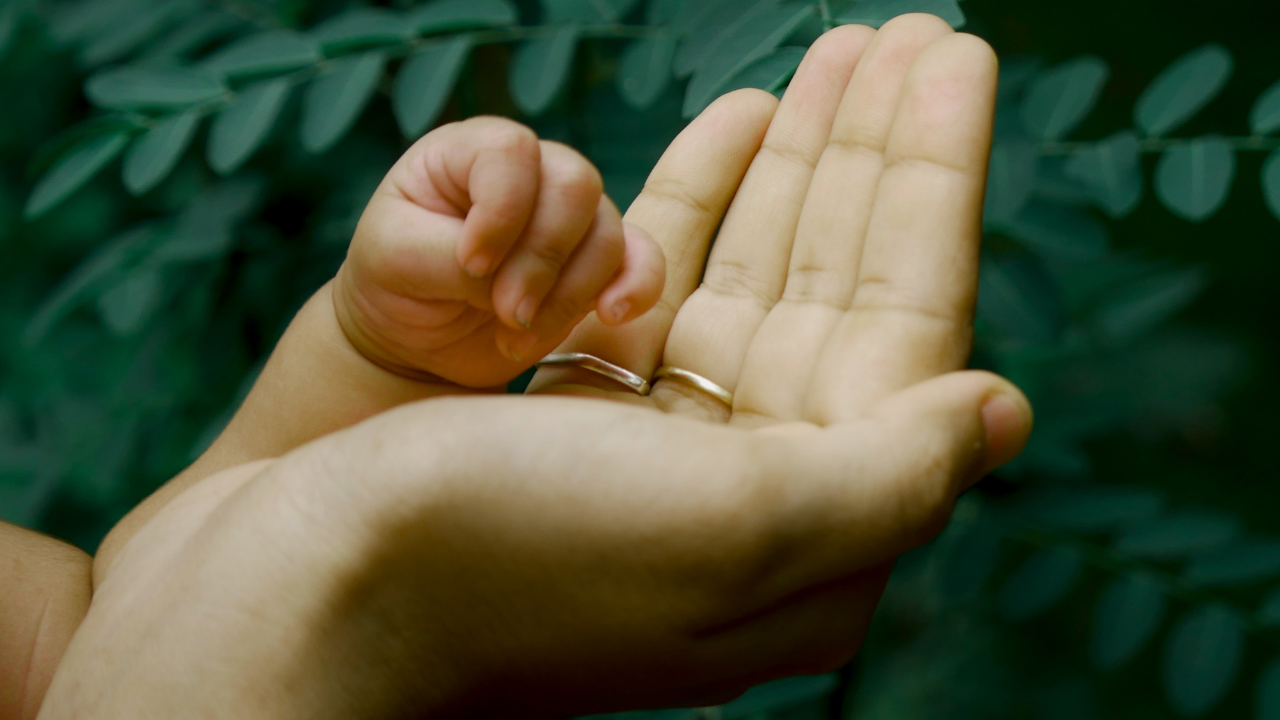
File photo: Canva
The answer does not have to be an elaborate 10-step skincare routine. In fact, a simple barrier-repair routine may be more useful when there is a newborn demanding your attention.
- Moisturise immediately after washing
Keep a hand cream beside the sink, changing table and bedside table. Applying moisturiser while the skin is still slightly damp helps trap moisture. The AAD recommends creams or ointments rather than very light lotions when skin is extremely dry because they tend to hold moisture more effectively. Look for simple, fragrance-free formulations containing ingredients such as ceramides, glycerin, petrolatum or hyaluronic acid.
- Don’t wait until the skin starts cracking
Moisturiser works best as prevention as well as treatment. If your hands feel tight immediately after washing, that is your cue to moisturise rather than waiting for visible peeling or cracks.
- Rethink very hot showers
Long, hot showers can feel comforting when you are exhausted, but they can worsen dryness by removing protective oils from the skin.
Dermatologists recommend keeping showers to about five to 10 minutes, using warm rather than hot water, and gently patting the skin dry rather than rubbing it.
- Choose fragrance-free products
Postpartum skin may be more sensitive than usual. Instead of choosing products because they smell soothing or luxurious, look for labels such as “fragrance-free” and “gentle”.
This applies to hand washes, body cleansers and moisturisers.
- Protect your hands from household chores
If possible, wear gloves when washing dishes or handling cleaning products. Household detergents can be particularly irritating to already-dry skin.
Rather than using sanitiser every time when soap and water are appropriate and available, follow standard hand-hygiene guidance while protecting the skin with regular moisturising.
- Don’t forget hydration and nutrition
Drinking enough fluids is important during postpartum recovery, particularly for breastfeeding mothers. But drinking more water alone is unlikely to fix a damaged skin barrier.
Think of hydration as one part of recovery, not the entire treatment. The skin also needs protection from repeated irritation and regular moisturisation.
When is dry skin can be more than just dry skin?
Most postpartum dryness is likely to be manageable with basic skin care. However, persistent or severe symptoms should not automatically be blamed on childbirth.One condition worth discussing with a doctor is postpartum thyroiditis, an inflammation of the thyroid that can occur after delivery. During its hypothyroid phase, symptoms can include fatigue, weight gain, constipation, depression, poor exercise tolerance and dry skin. The American Thyroid Association notes that this phase commonly occurs around four to eight months after delivery.A doctor should also evaluate skin that is intensely itchy, painful, bleeding, developing a persistent rash, showing signs of infection or failing to improve despite consistent moisturising.
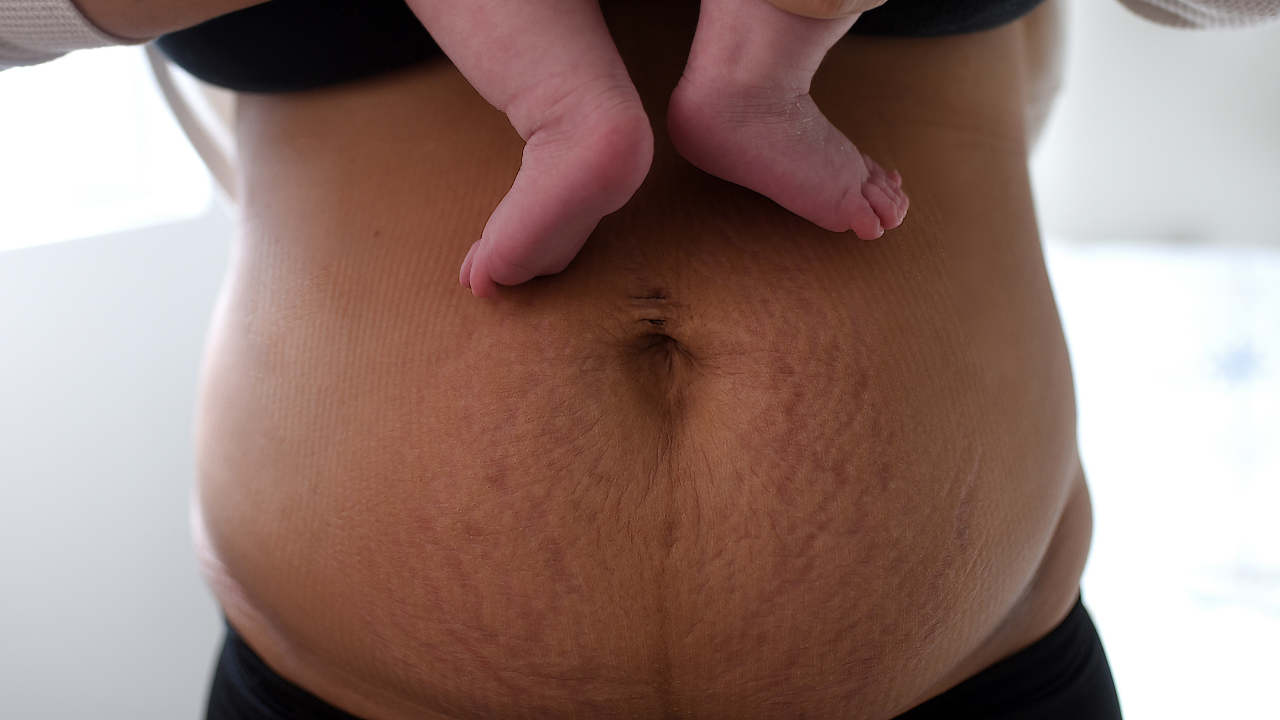
File photo: Canva
The important point for new mothers is that dry, cracked hands are not something they simply have to tolerate as part of motherhood. The postpartum period already asks a lot of the body. A few strategically placed tubes of moisturiser, gentler washing habits and a little attention to the skin barrier can make everyday tasks- from picking up the baby to washing their bottles- considerably more comfortable.And perhaps that is the larger lesson: postpartum care is not only about the baby. The mother’s skin, sleep, nutrition and physical recovery deserve care too.