












Almonds have quietly earned their spot as one of the most talked-about nuts in Indian kitchens, and it’s not just hype; they’re genuinely packed with healthy fats, protein, fibre, vitamin E, and magnesium, all in a small, snackable package. The tricky part isn’t whether to eat them; it’s how. A lot of us default to just munching a handful straight from the packet, which works fine, but there are smarter, tastier ways to fold almonds into your day that make the most of what they offer. Here are five easy, genuinely sustainable ways to add almonds to your daily diet.
Start your day with soaked almonds
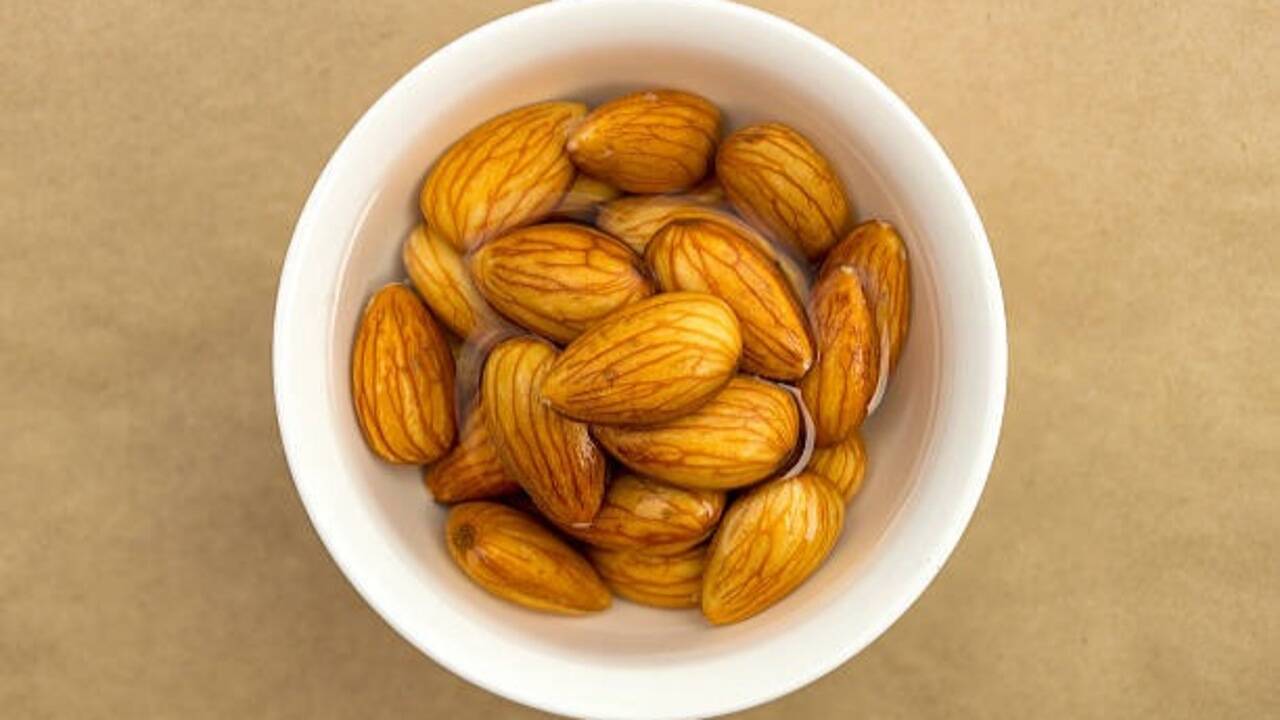
This one’s practically a ritual in a lot of Indian households, and there’s real reasoning behind it. Soaking almonds overnight softens their skin and helps neutralise the natural enzyme inhibitors and tannins that can make raw almonds a bit harder on digestion. By morning, they’re noticeably easier on the stomach, and your body absorbs nutrients like vitamin E and magnesium more efficiently too. Around 5 to 8 soaked almonds on an empty stomach is the usual sweet spot, enough to get the benefit without overdoing it on calories or fibre.
Swap in almond milk where you’d use dairy
If you’re looking for an easy, low-effort way to work almonds into your routine without actually chewing anything, almond milk is a solid option. Use it in your morning coffee or chai, blend it into smoothies, or pour it over cereal instead of regular milk. It’s naturally lower in calories than most dairy alternatives and carries a good dose of vitamin E along with it. Just check the label if you’re buying store-bought, some varieties add sugar, so unsweetened is the better everyday choice.
Spread on some almond butter
Almond butter is one of those additions that barely feels like effort but pays off nutritionally. A spoonful spread on toast, mixed into oatmeal, or paired with apple or banana slices adds a solid hit of protein and healthy fats that helps keep you fuller for longer. It’s a good swap for regular butter or jam if you’re trying to cut down on refined sugar without giving up that creamy, satisfying texture on your morning toast. Go for a natural, no-added-sugar variety for the best nutritional payoff.
Toss chopped almonds into meals you already eat
You don’t need a separate almond-eating ritual if you’re already cooking regularly just sprinkle chopped or slivered almonds into what’s on your plate. They work well scattered over yogurt or oatmeal, tossed into a salad for crunch, or stirred into a bowl of dal or sabzi for texture. This is probably the easiest way to build a daily almond habit without it feeling like a separate task, since it just piggybacks on meals you’re eating anyway.
Bake or cook with almond flour
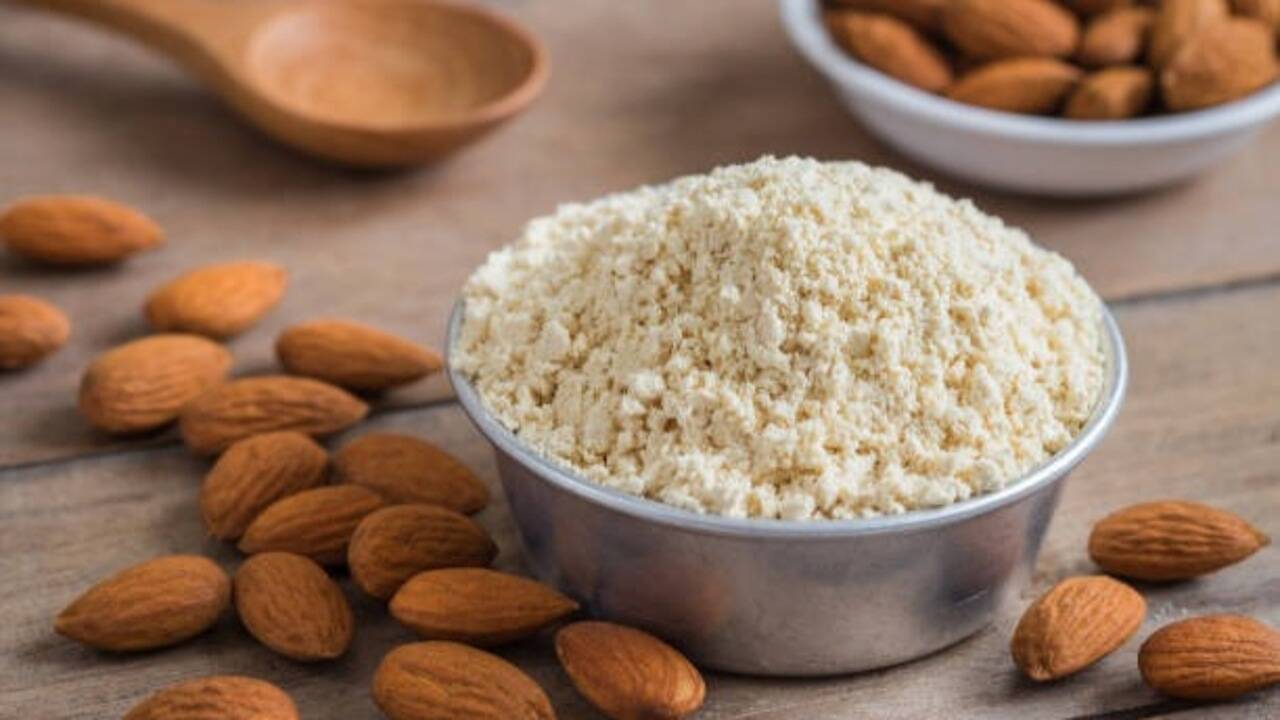
For anyone who bakes or cooks regularly at home, swapping in almond flour for a portion of regular flour is a simple way to boost protein and healthy fat content in everyday recipes. It works well in items like pancakes, cookies, and flatbreads, and it’s a popular choice for anyone cutting back on refined carbs. The texture is slightly denser than regular flour, so it often works best mixed with your usual flour rather than as a full replacement, especially when you’re still getting used to cooking with it.
Disclaimer:
This article is intended for general informational purposes only and is not a substitute for professional medical or dietary advice. Almonds, while nutritious, are calorie-dense and can cause bloating or digestive discomfort if consumed in excess. Individuals with nut allergies, kidney conditions, or those on blood sugar or other medications should consult a doctor or registered dietitian before making almonds a regular part of their diet.