










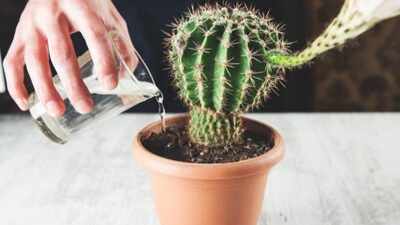
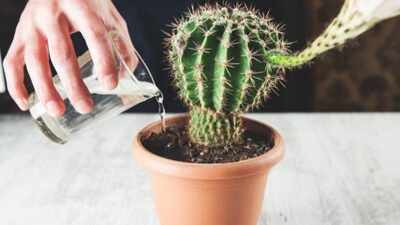
Cacti have built a reputation as the plant world’s ultimate survivors, the kind of greenery you can supposedly forget about for weeks and still find thriving when you remember it exists. That reputation isn’t entirely wrong, but it creates a dangerous blind spot for a lot of plant owners, because the one thing that reliably kills a cactus isn’t neglect, it’s kindness delivered the wrong way. Overwatering is by far the most common cause of cactus death, and the tricky part is that the warning signs it produces can look almost identical to a plant that’s thirsty, which tempts people into making the problem worse rather than better. Here are seven watering mistakes worth knowing before your cactus ends up on the wrong side of that mix-up.
Watering on a fixed schedule instead of checking the soil
Treating a cactus like a houseplant that needs water every few days is one of the fastest ways to kill it. The better approach is to water only once the top inch or two of soil is completely dry, which usually works out to somewhere between every two and four weeks depending on the season and your specific growing environment. A calendar reminder simply can’t account for humidity, temperature, or how quickly a particular pot dries out, which is exactly why checking the actual soil, rather than the date, needs to be the deciding factor every single time.
Letting water sit in the saucer or skipping drainage holes entirely
A cactus can survive a heavy, thorough watering, but it cannot survive sitting in standing water for days afterward. Pooled water around cactus roots, whether from poor drainage in the ground or a saucer that never gets emptied, creates exactly the soggy conditions that invite rot. Any pot you use needs a functioning drainage hole at the bottom, and any decorative outer pot or saucer catching runoff needs to be emptied promptly rather than left to sit, since even a small amount of standing water against the roots is enough to start real damage.
Watering lightly and often instead of deeply and rarely
A quick splash of water every few days feels responsible, but it’s actually one of the more common ways people accidentally stress a cactus. It works far better to water deeply but infrequently instead, soaking the soil thoroughly until water runs from the drainage hole, then leaving it alone until it’s genuinely dry again, rather than repeatedly dampening just the surface. Shallow, frequent watering keeps the topsoil perpetually damp without ever giving the deeper roots a proper soak or a real chance to dry out, which is precisely the kind of half-measure that invites fungal problems without actually meeting the plant’s real water needs.
Using regular potting soil instead of a fast-draining mix
Ordinary potting soil is formulated to retain moisture, which is exactly the opposite of what a cactus’s shallow, delicate root system needs to stay healthy. Moisture-retaining soil is a direct contributor to cactus rot, right alongside plain overwatering itself. A proper cactus or succulent mix, built with sand, perlite, or pumice to let water drain through quickly rather than cling to the roots, matters just as much as how often you water, since even correct watering habits can’t fully compensate for soil that stays wet too long.
Not cutting back on water once the weather turns cool
Most cacti go through a natural dormant period in cooler months, during which their growth slows dramatically and their water needs drop right along with it. Continuing to water through autumn and winter at the same pace as the warmer growing season is a common, easy-to-miss mistake, since the plant simply isn’t using water at the same rate it was a few months earlier. Scaling back watering frequency as temperatures cool, and resuming a more regular routine only once active growth picks back up, keeps the soil from staying wet through a stretch when the plant has far less use for it.
Mistaking the symptoms of overwatering for thirst
This is arguably the most dangerous mistake on the list, because it actively leads people to make the problem worse. Root rot symptoms are genuinely confusing to diagnose correctly: people see wilting, yellowing, and stunted growth and assume the plant needs more water, so they water it more, which only accelerates the damage caused by fungi that thrive specifically in wet soil. A wrinkled, deflated-looking cactus can be a genuine sign of thirst, but it can just as easily be a sign of root rot that’s already destroyed the roots’ ability to take up water at all, which is why checking the soil and, if needed, the roots themselves matters more than reacting to appearance alone.
Using the wrong pot material for your space
Plastic and terracotta pots behave very differently once water is involved, and using the wrong one for your environment can quietly work against you. Terracotta and other unglazed clay pots are porous, allowing excess moisture to evaporate through the pot’s walls rather than staying trapped against the roots, which makes them considerably more forgiving of watering mistakes than plastic. In a humid climate or a home that already runs damp, sticking with plastic can mean soil simply never dries out fully between waterings, even when your watering habits themselves are otherwise reasonable.
Less really is more
If there’s one thread running through all seven of these mistakes, it’s that cacti fail far more often from excess care than from neglect, which runs counter to how most people are used to treating houseplants. Checking the soil before every watering, choosing the right pot and mix, and resisting the urge to respond to a sad-looking cactus with more water rather than less will prevent the overwhelming majority of problems these plants run into. When in doubt, waiting a few extra days is almost always the safer choice than watering again.
Disclaimer:
This article is intended for general informational purposes only. Watering needs can vary depending on the cactus species, pot size, climate, and season. If your cactus shows signs of severe rot or doesn’t recover after adjusting your watering routine, consult a local nursery or horticulture expert.