









Before children even learn to count to ten, parents are faced with countless questions about the child’s education. One such question is: “Should we choose a Montessori, a play school, a preschool or a nursery?”Many use these terms interchangeably and assume they are all the same. However, in reality, they can differ significantly- in structure, teaching methods, philosophy, and expectations.
28 Jul 2026 | 16:38
What factors did you consider, or would consider, before choosing the right school for your child?
Choosing the right start for a child’s education isn’t about finding the best label. It is about finding the setting and environment that match their developmental stage. One child may feel more suited in a structured academic programme, while one may thrive in a play-based environment.Here’s what parents should know before filling out admission forms.
What is a play school
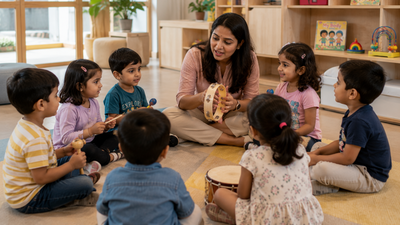
A play school usually refers to a child’s first experience outside home. It is primarily designed for toddlers who are beginning to separate from parents and interact with other children. The typical age when children go to play school is 18 months to 3 years.The emphasis in playschool is not on academics, instead children here learn through movements, music and storytelling. The activities often include- singing rhymes, free play, art and craft, outdoor games, etc.
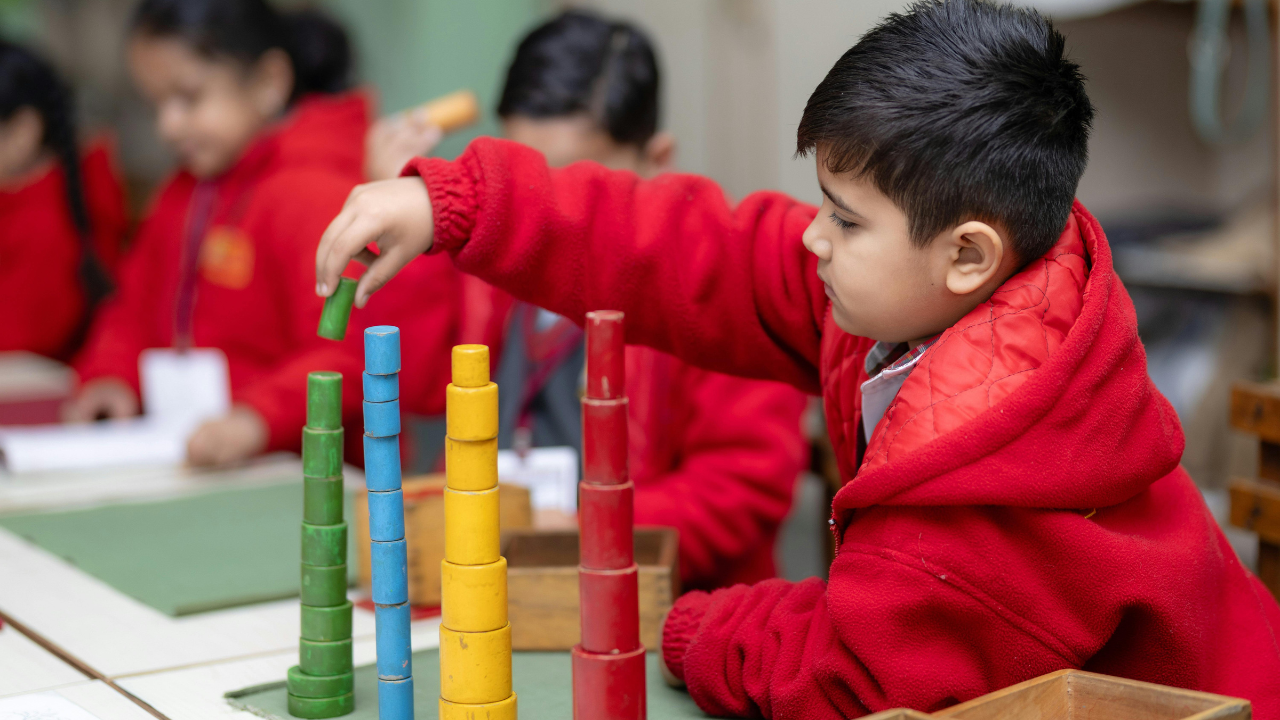
Image: Canva
What is a preschool?
Preschool is like an education stage before formal schooling begins. The typical age group of preschool kids is 2.5 to 5 years old. Unlike play school, preschools introduce structures leaning while keeping play at the centre of teaching. In preschool children may begin learning letters, numbers, shapes, colors, and basic vocabulary.However, high-quality preschools avoid making children sit through long academic lessons.
What is nursery?
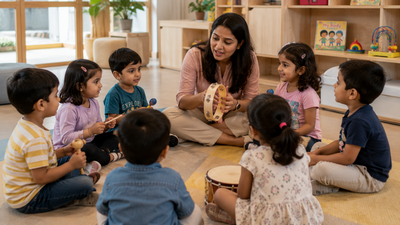
Nursery is often one level within a preschool programme rather than an entirely different institution. The typical age group of nursery children is 3 years to 5 years.In many Indian schools, the sequence is: Playgroup then Nursery followed by Lower Kindergarten (LKG), Upper Kindergarten (UKG) and Grade 1.Nursery also introduces children to more organised classroom routines. Children usually begin learning how to hold pencils correctly, listening to instructions, number recognition, group activities and classroom behavior.
AI-generated image
What is Montessori?
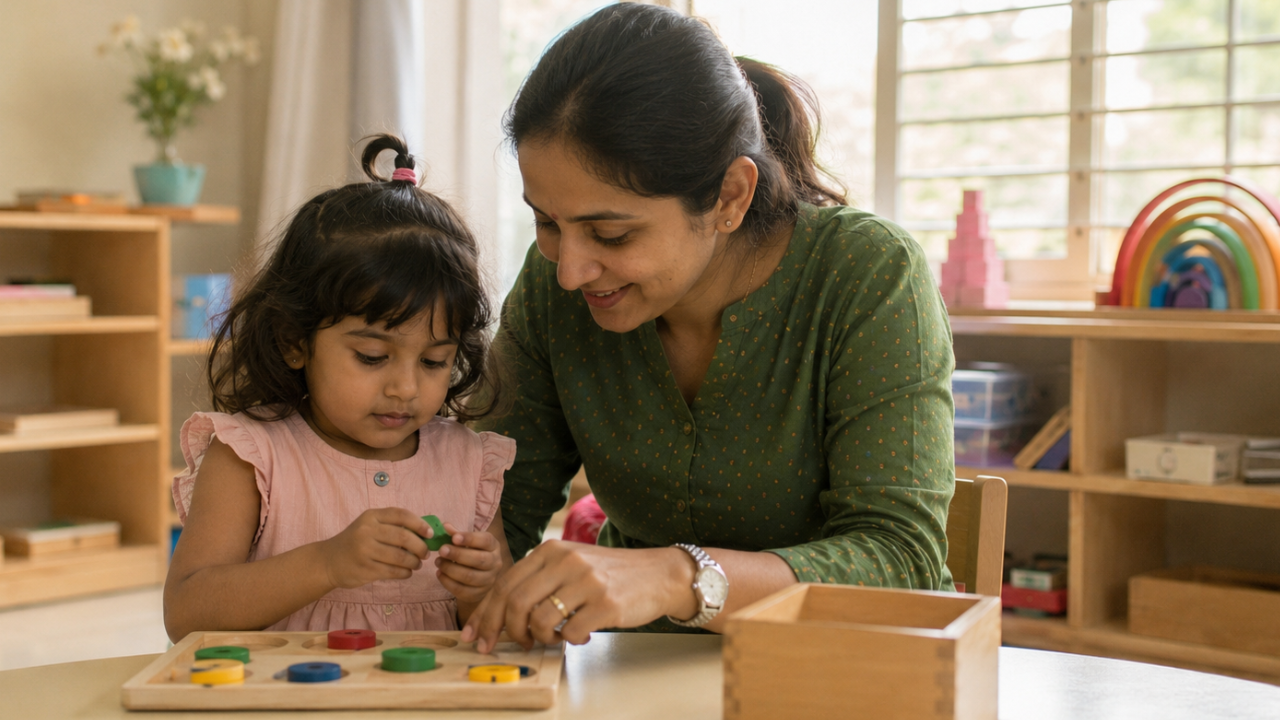
Montessori is not simply another class level. It is an educational philosophy developed by Italian physician and educator Maria Montessori over a century ago. Instead of teachers directing every activity, Montessori classrooms encourage children to choose carefully designed learning materials independently. The typical age group for Montessori is 2.5 years to 6 years.The key principles of Montessori education include mixed-age classrooms, encouraging independence etc. These include- age groups learning together, allowing children to observe older ones, and also allowing older ones to help younger children.
Which one should parents choose?
Since there’s no absolute answer to this question, parents should focus on evaluating the quality of the programme rather than its label. Ideally, these platforms provide one best aspect for a child. Such as;
- Play school is best for toddlers who are beginning school life
- Preschool is best for children preparing for kindergarten
- Nursery is best for children around three to four years
- While Montessori is best for families seeking self-paced learning and independence
More importantly, parents should be observant while choosing. A school called “Montessori” may not actually follow Montessori principles, while an ordinary preschool may provide an outstanding child-centred education. For parents navigating admission season, visiting the school, observing teacher-child interactions and understanding the educational philosophy can be far more valuable than choosing a school based solely on a familiar name.